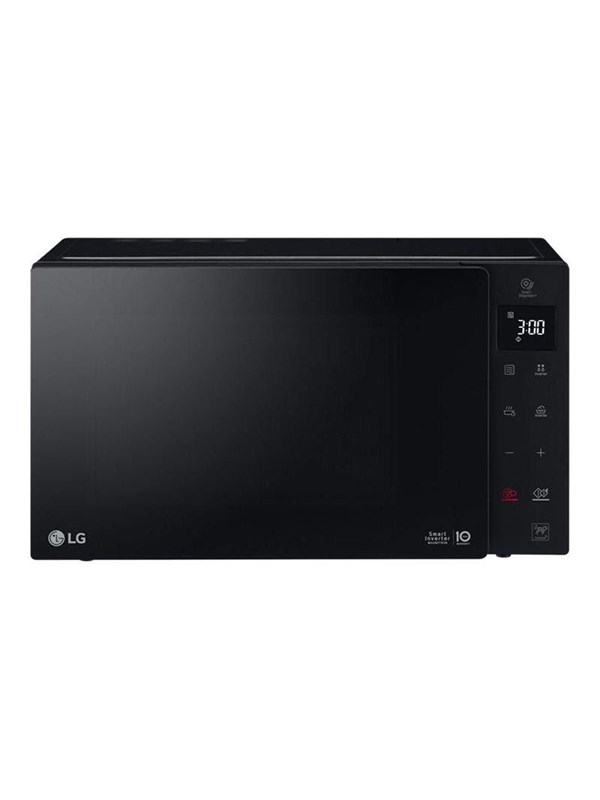
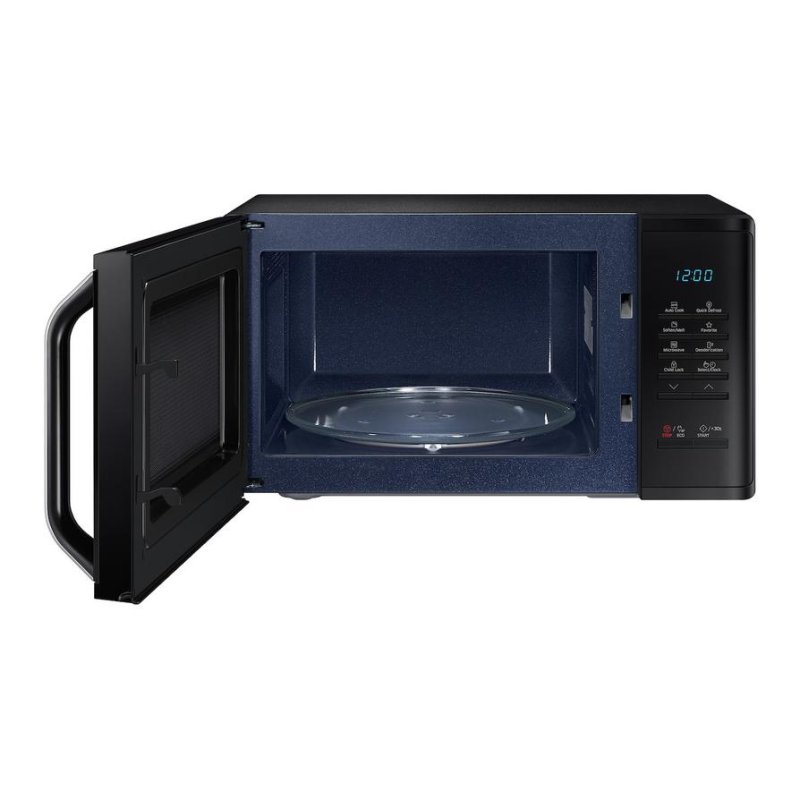
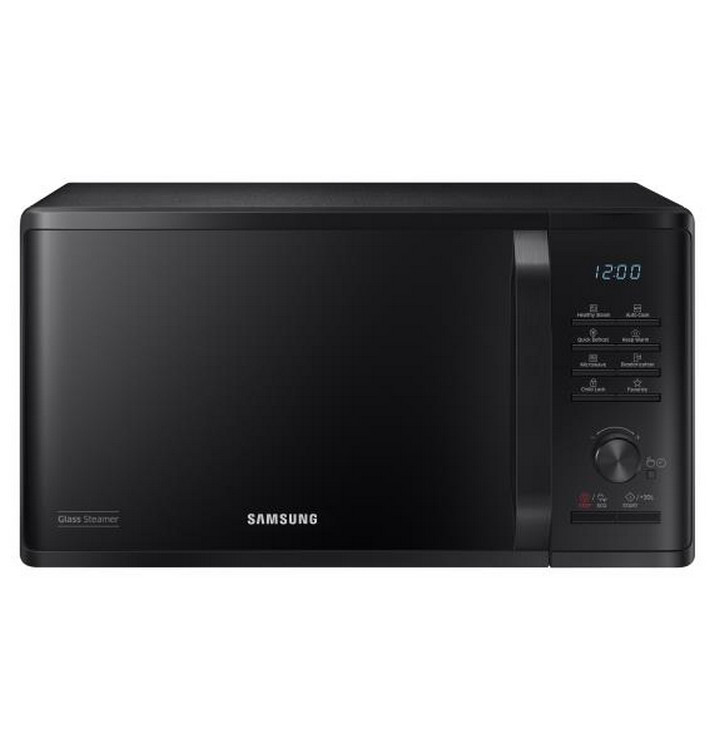
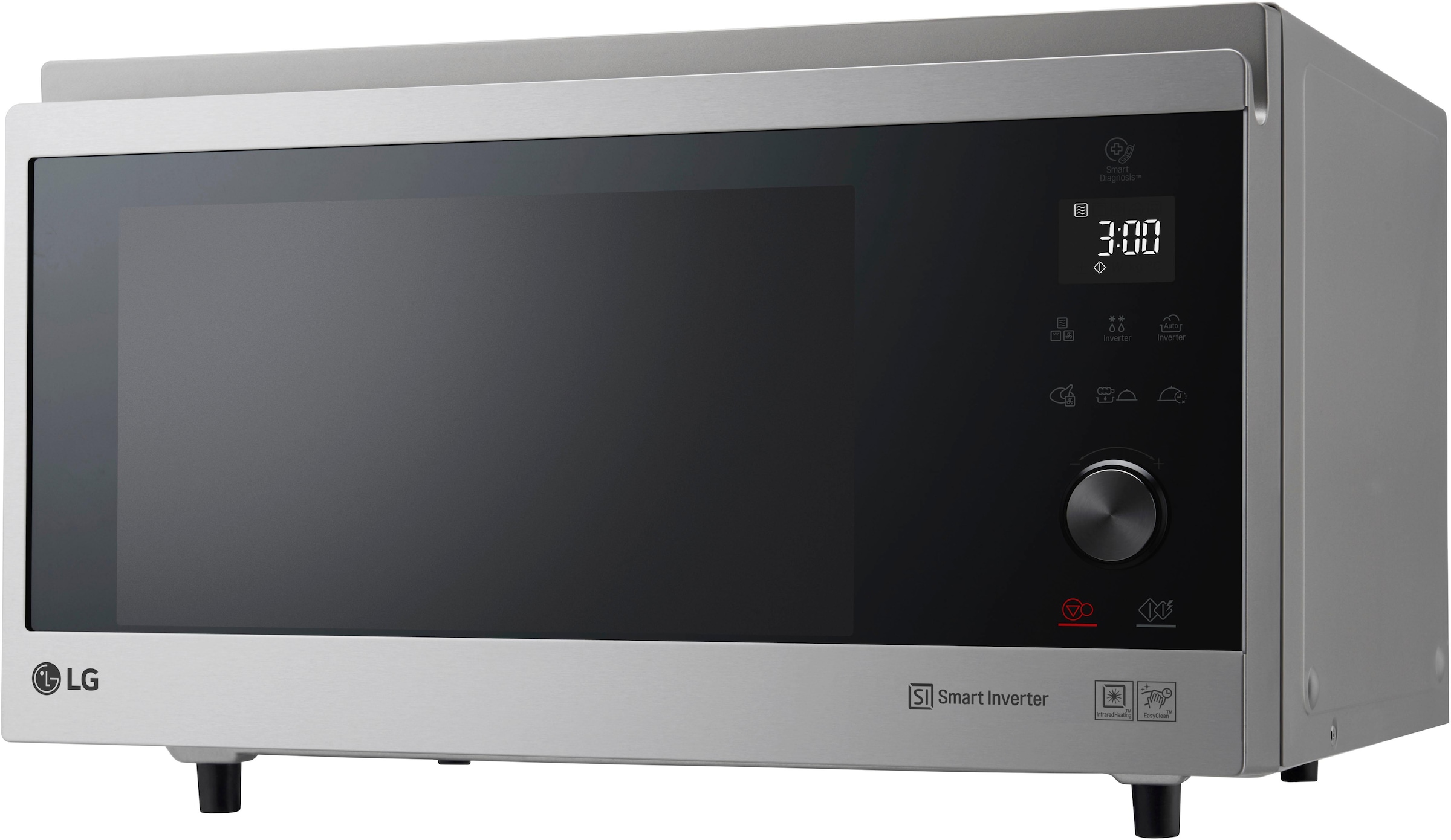
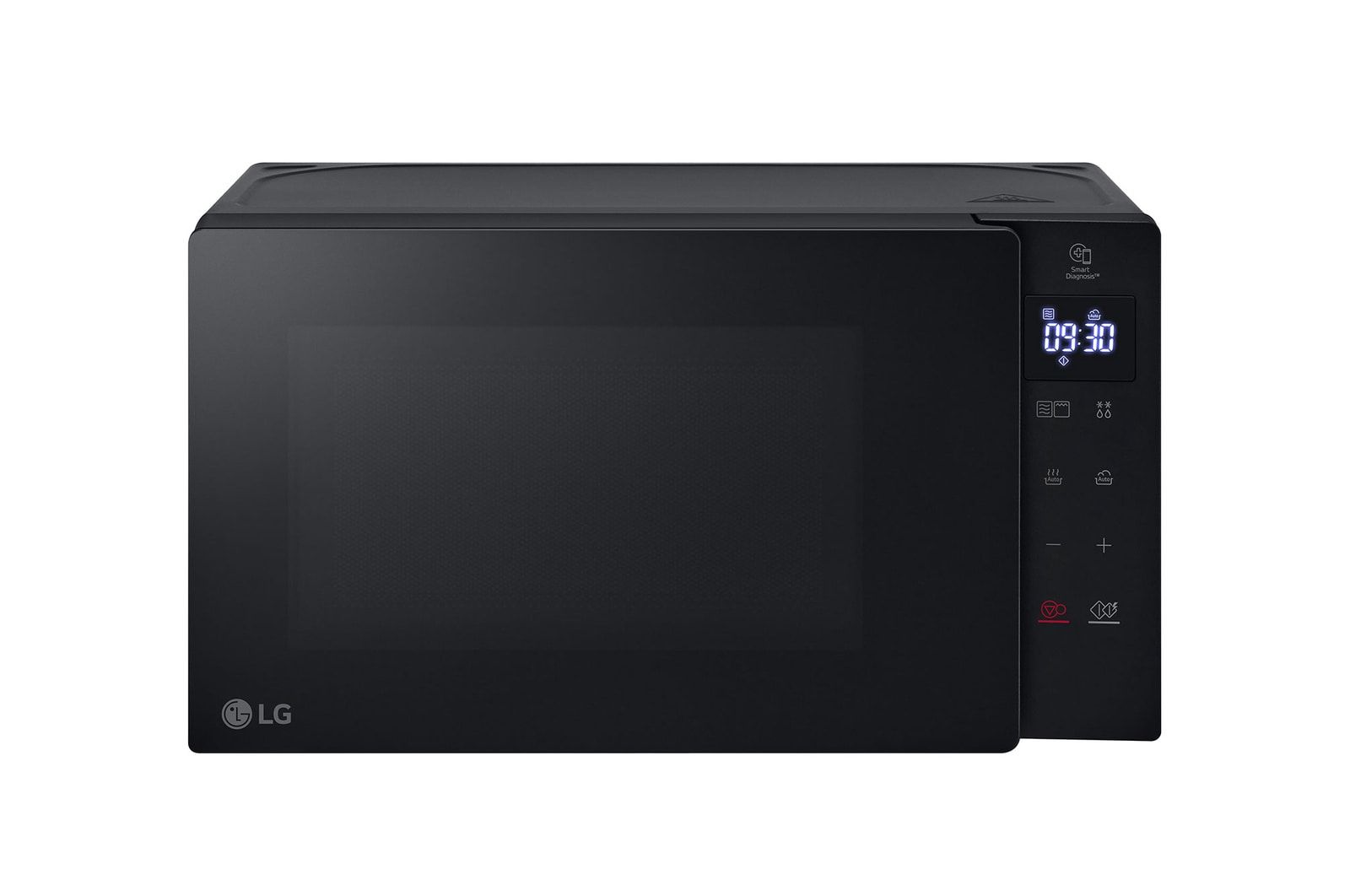
Microwave Ovens
How to choose microwave ovens
Considerations
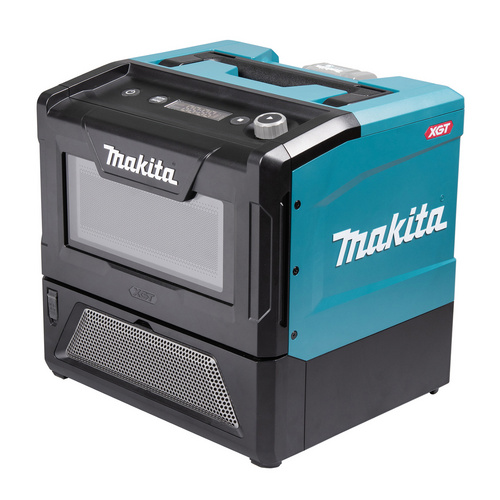
Placement sub-type matters: a Home & Garden listing may suit a shed or utility room, while Kitchen Appliances points to a standard mains build.
Considerations
Colour runs from black, silver and grey to green, red, blue or cream, so match the unit to a rental or a permanent kitchen.
Considerations
Material tradeoff: stainless steel reads professional but shows prints, plastic is forgiving yet less sturdy than metal or clay.
Considerations
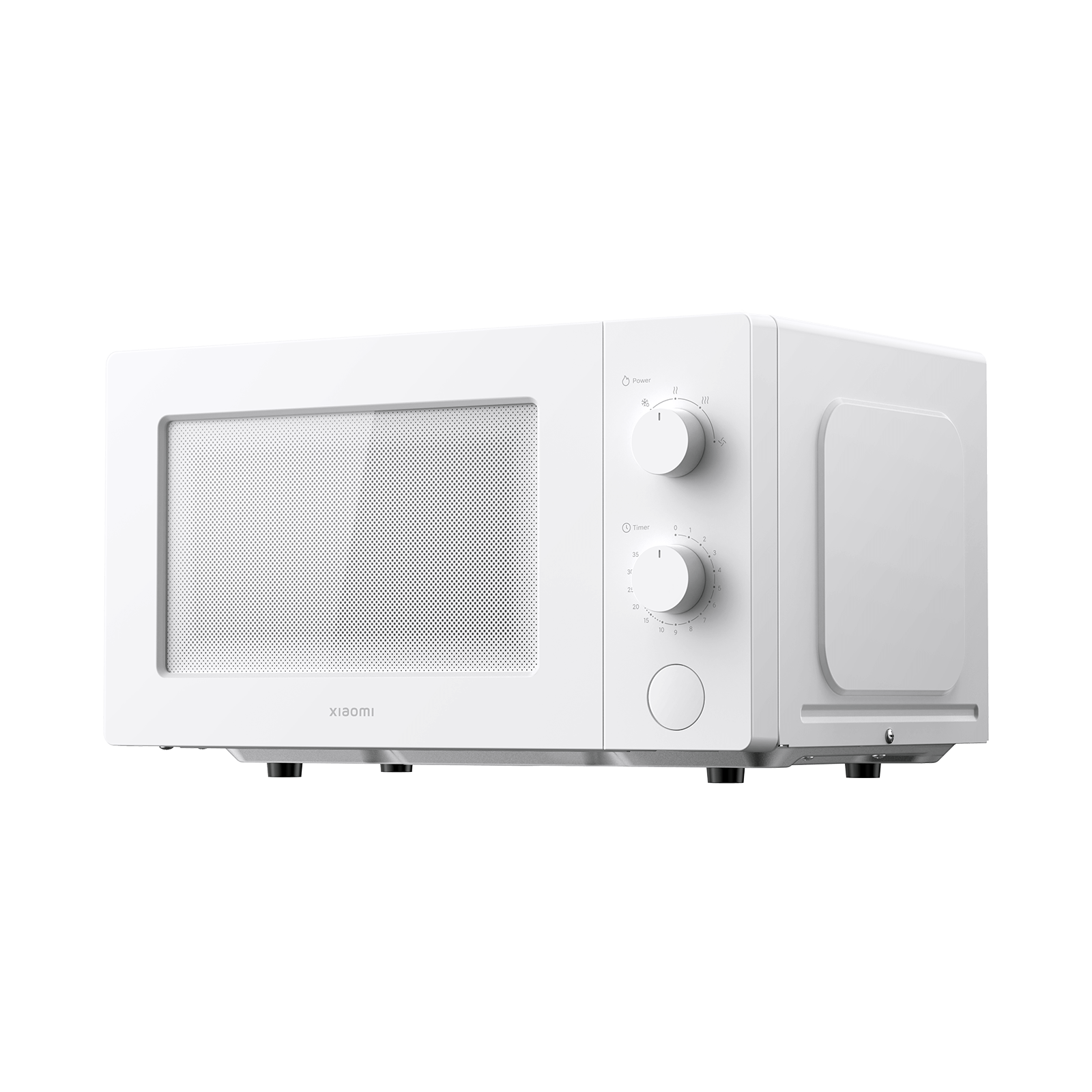
Control style: manual dials suit those wanting repeatable simplicity, digital panels suit sensor cooking but add electronic failure points.
Considerations
Size tier: a 17 litre compact saves worktop, a 23 litre combination serves a household, so weigh footprint against meals cooked.
What's good
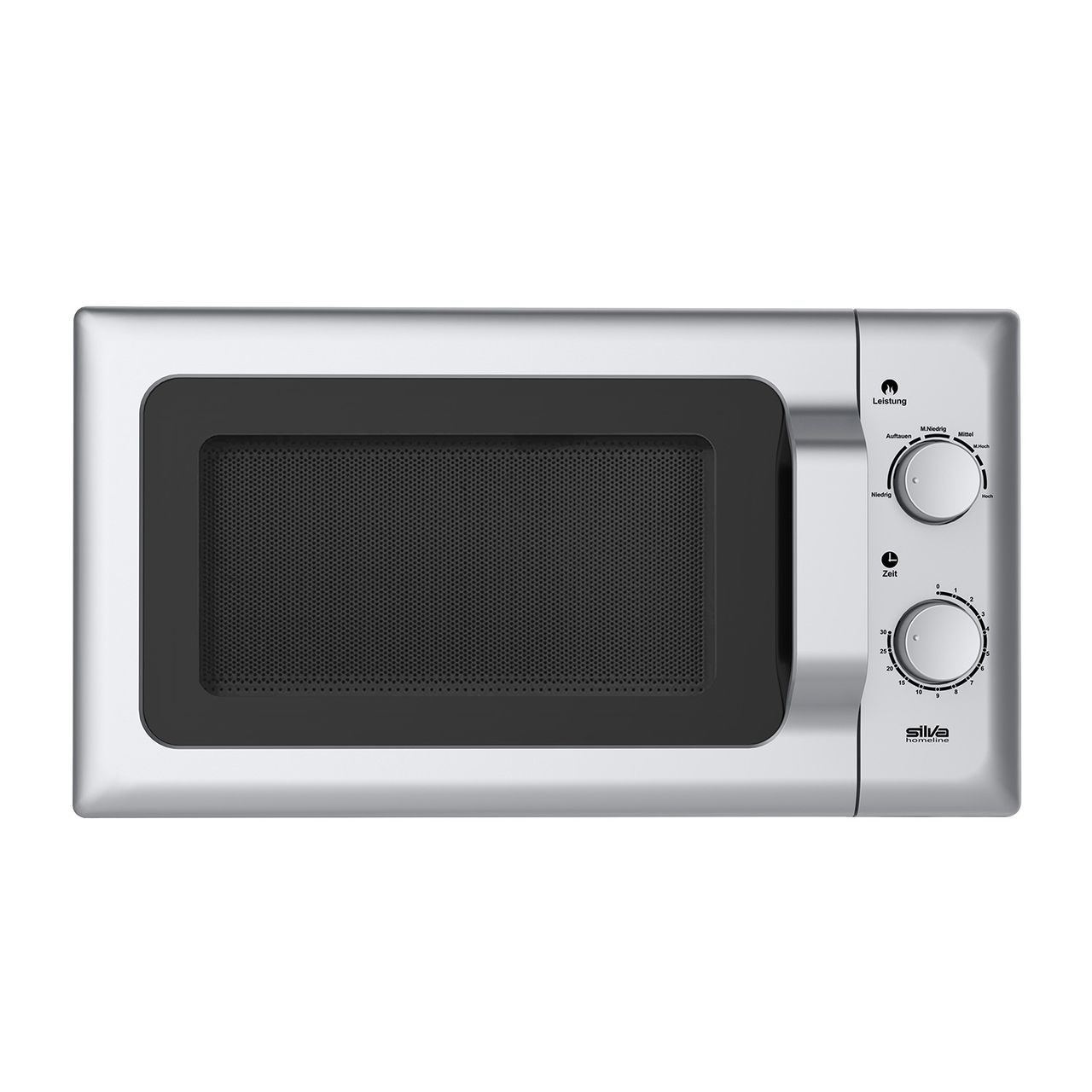
- Compact manual microwaves fit tight spaces like a small flat or office, and their simple dials mean fewer parts to fail.
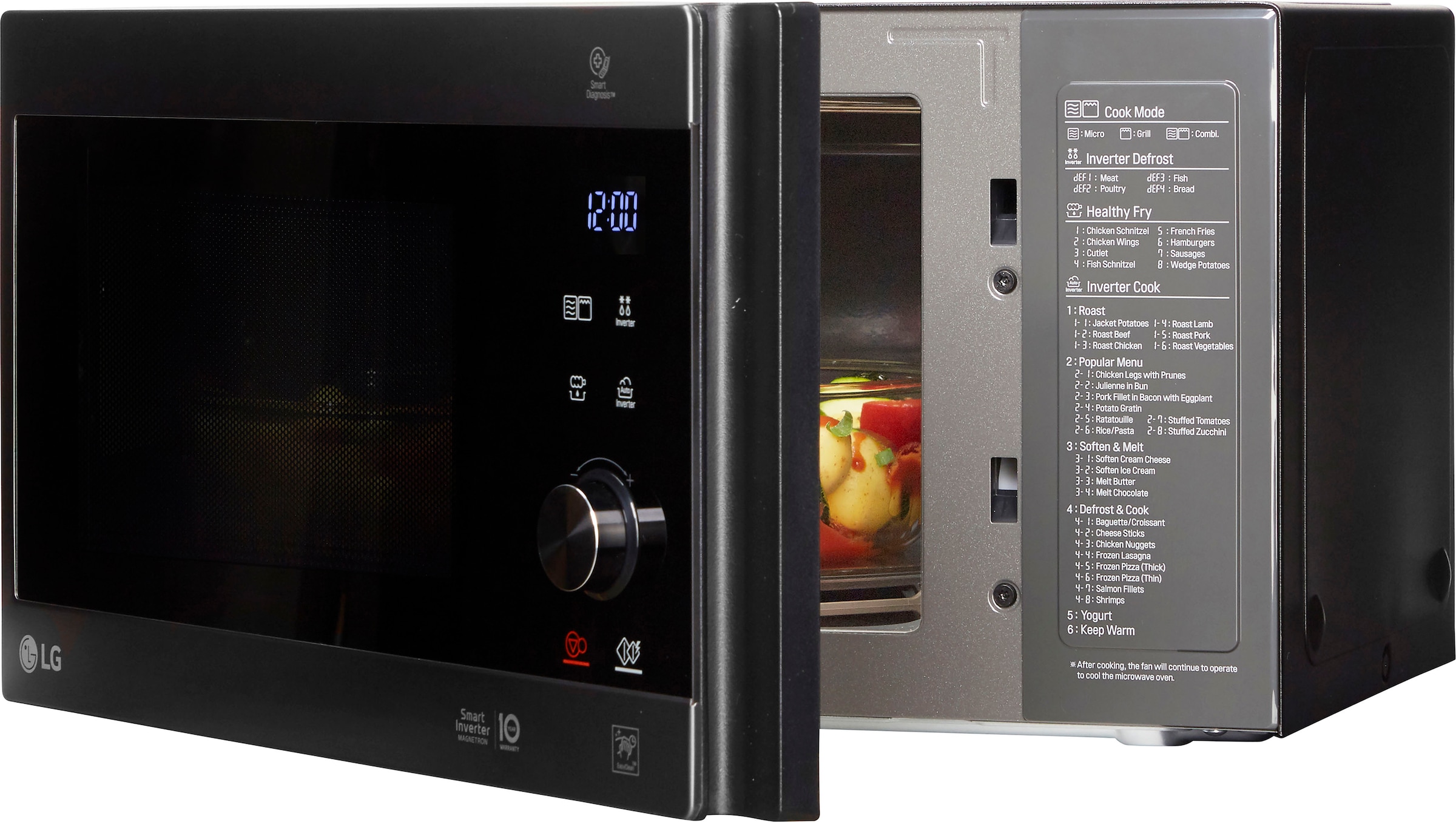
- Combination units add grilling or convection, so you replace a separate toaster oven and free up worktop.
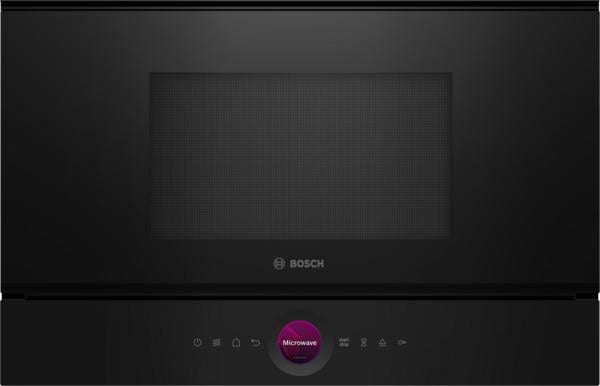
- Built-in grill models sit flush with your cabinets, giving a kitchen that looks tidy without a box on the counter.
- Commercial manual microwaves push high wattage for rapid heating, useful in a cafe or staff room.
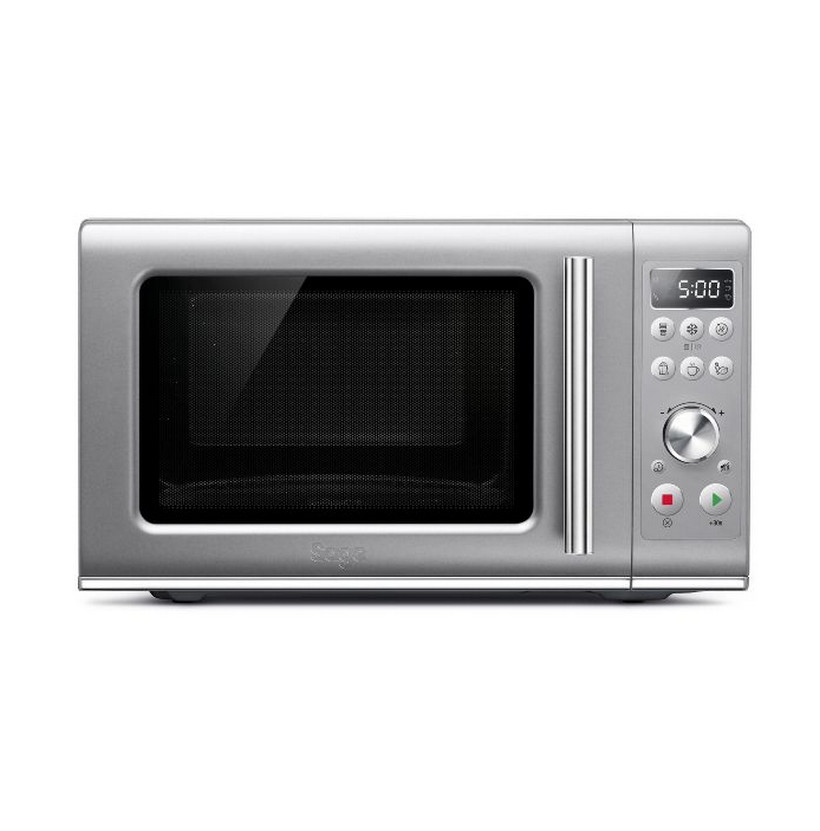
- Digital family microwaves include auto cook and defrost, taking the timing guesswork out of weekday meals.
Things to watch
- Combination microwaves pack more parts, so they weigh more and need more effort to site than a basic solo unit.
- Compact manual models have a small cavity, so a dinner plate may not rotate freely or heat evenly.
- Built-in grill units need a vented cabinet, meaning you lose storage space and cannot move them without joinery work.
- Commercial manual microwaves skip sensor cooking, making them poor for defrosting fish or reheating sauce without close attention.
- Stainless steel or wood finishes look smart but mark easily, while plastic bodies hide scuffs yet feel less solid than metal.
Care & maintenance
Maintenance
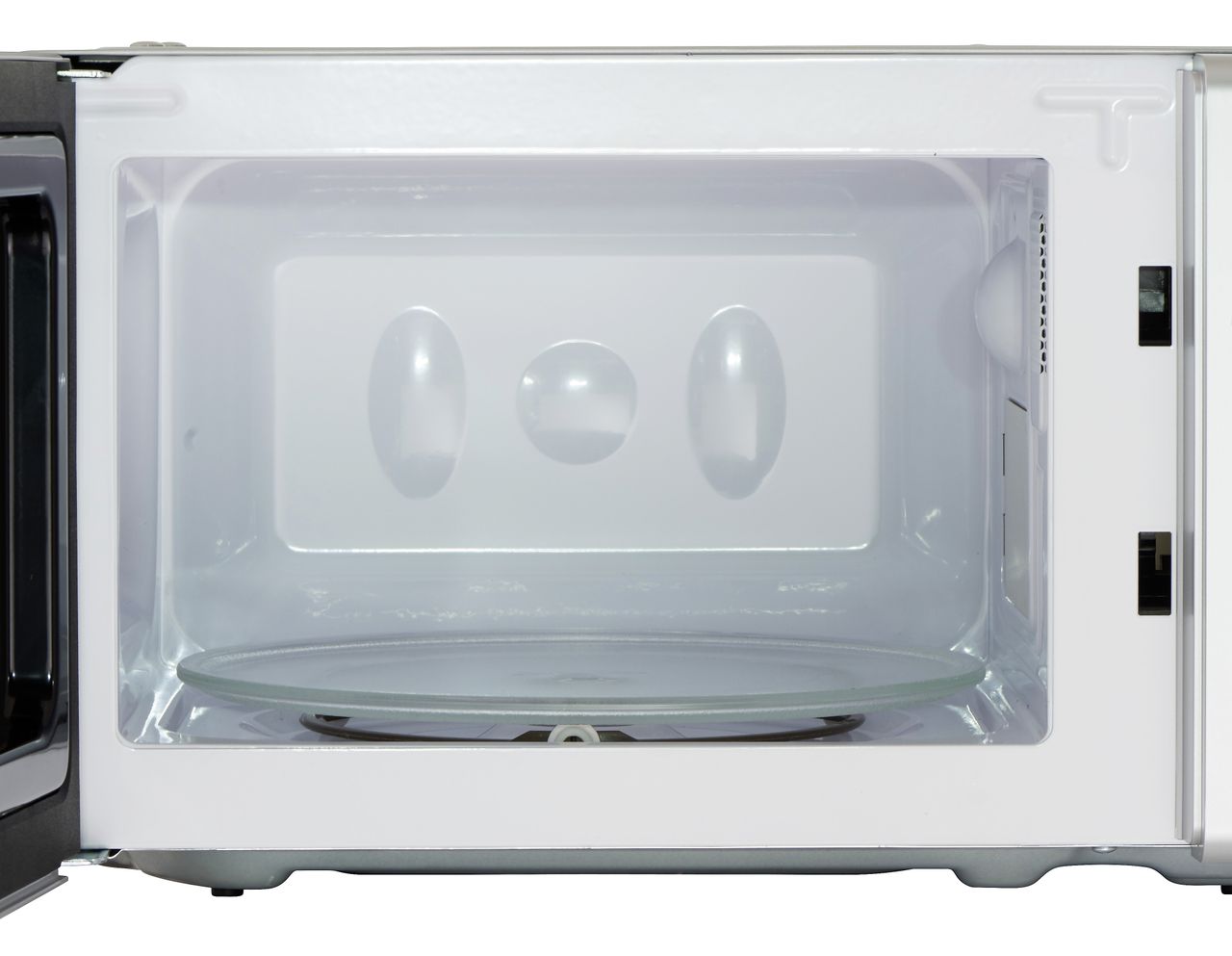
Wipe the cavity after each use, focusing on the roof where grill models spit fat.
Maintenance
Inspect the door hinge and seal monthly on digital and manual units to keep leakage low.
Maintenance
Clean coloured or stainless exteriors with a soft cloth, as abrasive pads scratch metal and clay surfaces.
Maintenance
Keep vents on built-in and commercial units dust free to avoid overheating.
Frequently Asked Questions
What should I look for when buying microwave ovens?
When shopping for microwave ovens, consider factors such as quality, price, brand reputation, and customer reviews. Compare prices across multiple retailers to ensure you're getting the best deal. Look for products that match your specific needs and budget.
How do I choose the right microwave ovens?
Choosing the right microwave ovens depends on your individual needs, budget, and preferences. Research different options, read customer reviews, and compare specifications. Consider what features are most important to you and look for products that offer the best value for money.
Where can I find the best deals on microwave ovens?
You can find the best deals on microwave ovens by comparing prices across multiple retailers. Our price comparison tool helps you find the lowest prices from trusted UK retailers including Amazon, eBay, and other major online stores. Check regularly as prices and deals change frequently.
Are microwave ovens products worth the investment?
The value of microwave ovens products depends on your specific needs and how you plan to use them. Quality products from reputable brands often provide better long-term value, even if they cost more initially. Consider your budget and requirements when making your decision.
What's the difference between different types of microwave ovens?
Different types of microwave ovens vary in features, quality, price, and intended use. Some may offer premium features while others focus on affordability. Research the specific differences between models or brands to find the option that best suits your needs and budget.