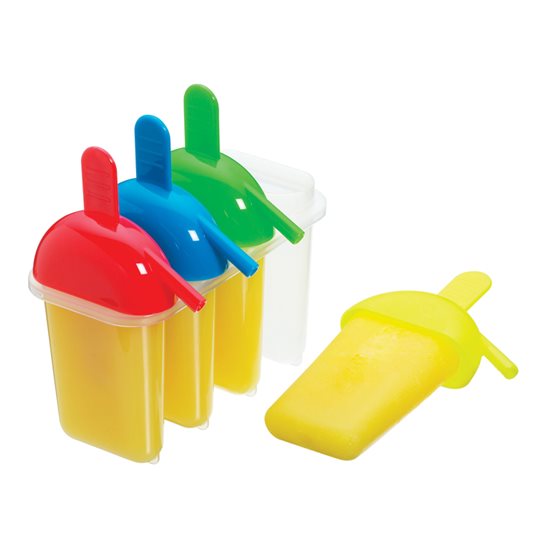
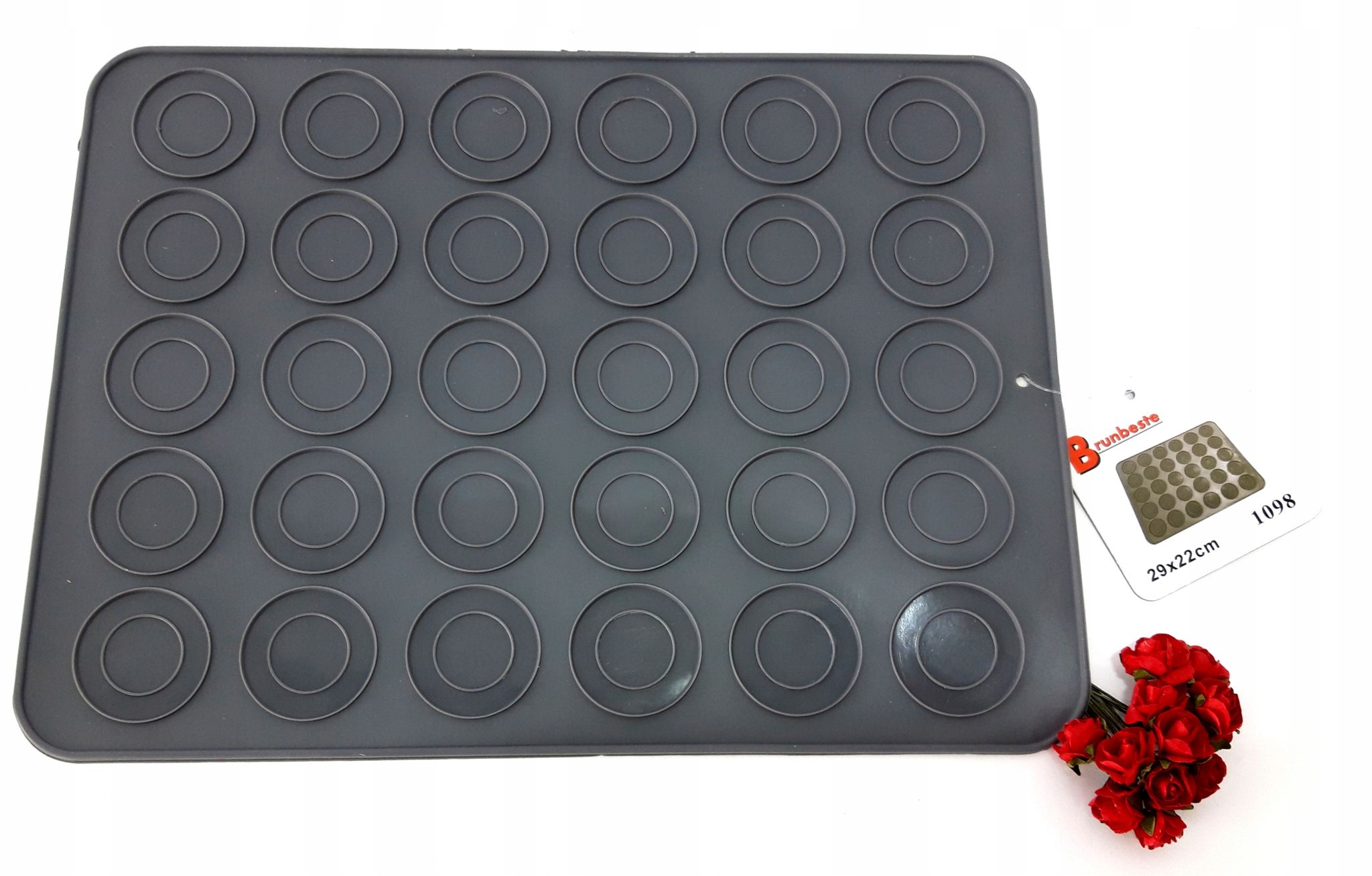
Kitchen Molds
How to choose kitchen molds
considerations
Choose between Kitchen Moulds for casting and Kitchen Tools & Utensils for cutting or stamping, based on your task.
considerations
Pick material by tradeoff: silicone for easy release, rigid plastic or acrylic for detail, wood or steel for durable handheld tools.
considerations
Note the sub-type: Home & Garden pieces often suit resin or concrete, while Kitchen & Dining and Kitchen Moulds lean to edible use.
considerations
Treat colour (silver, yellow, brown, and others) as a labelling aid, not a performance feature.
considerations
Check if the listing is pure silicone, silicon, or a silicone/clay mix, since that changes both care and food suitability.
What's good
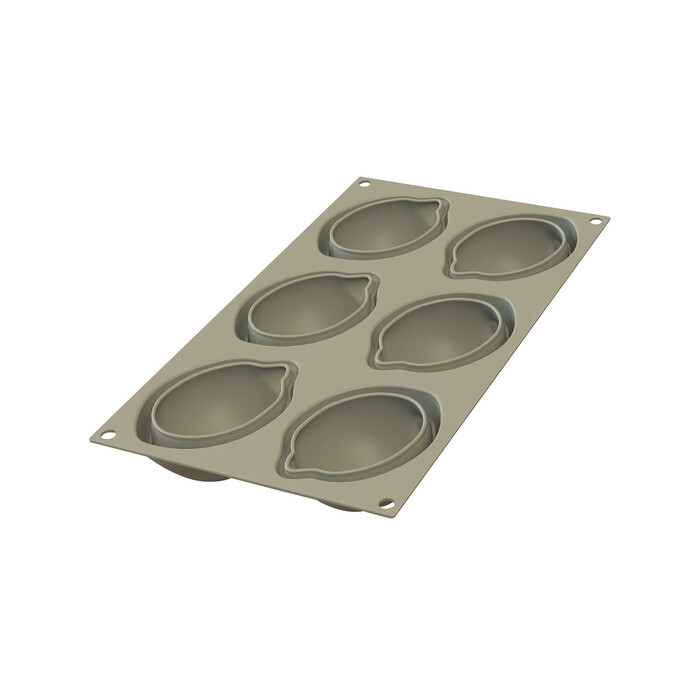
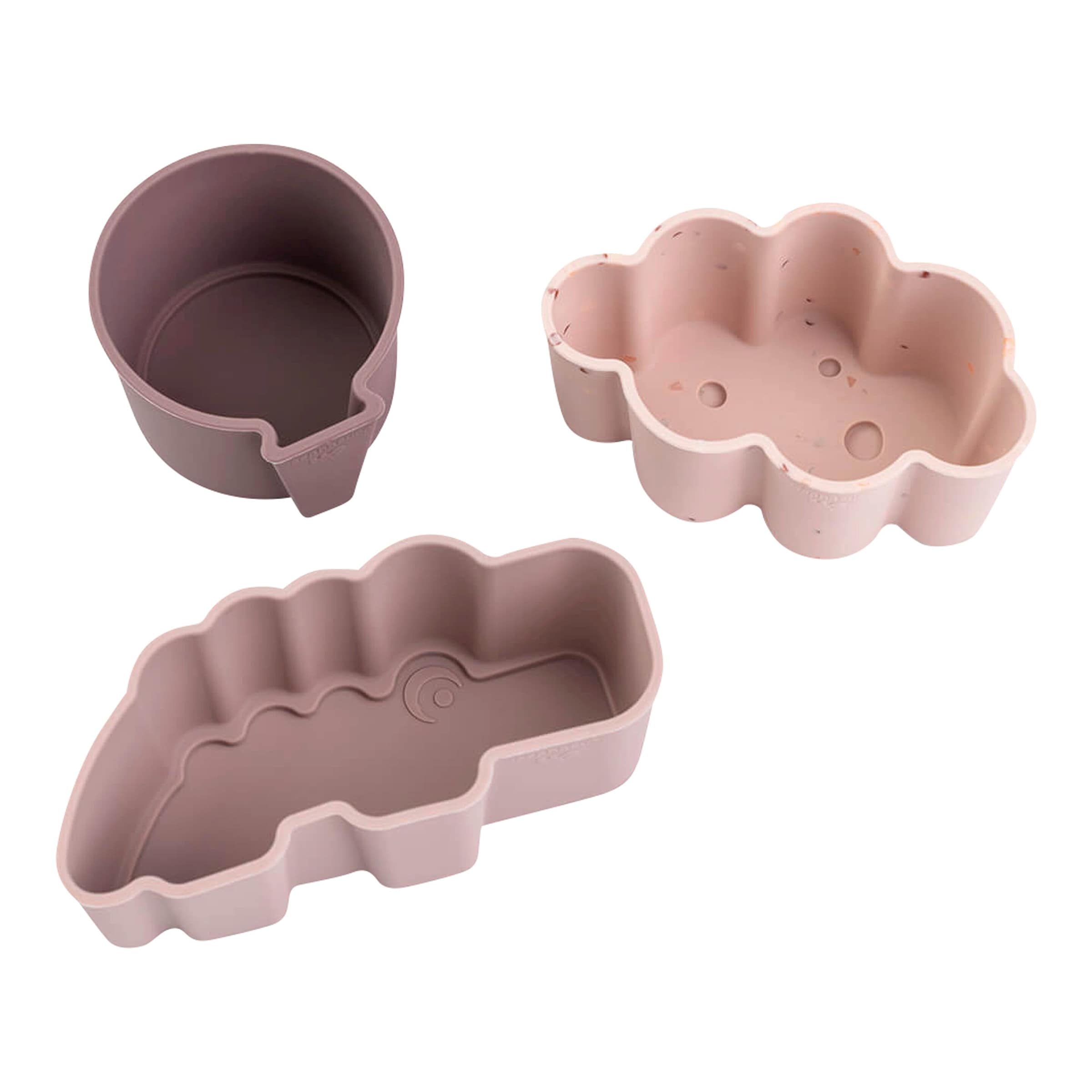
- Silicone and food safe silicone kitchen moulds bend to release fondant, chocolate, and cake toppers without breakage.
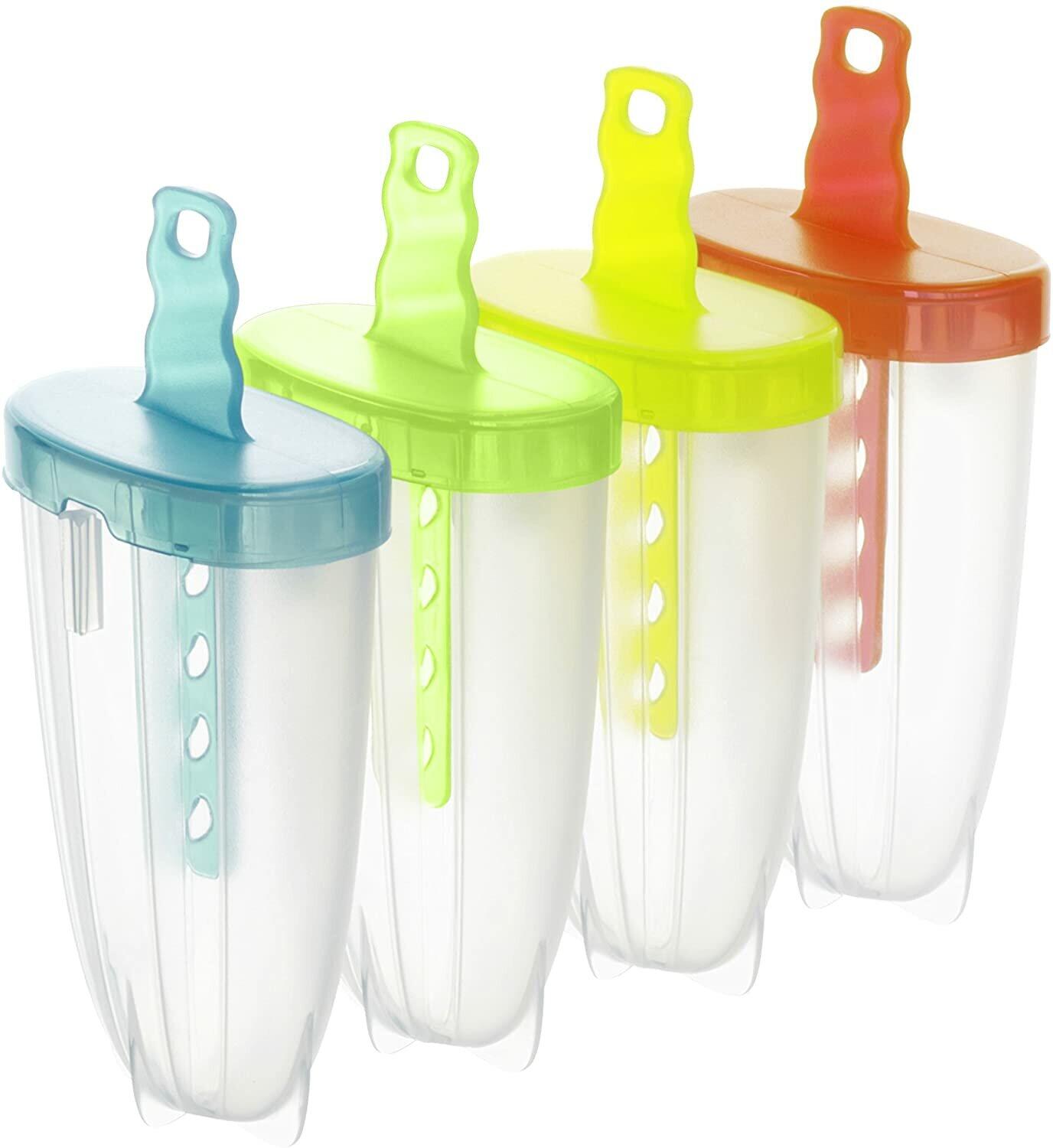
- Rigid plastic or acrylic moulds (Kitchen Tools & Utensils) keep sharp detail for small chocolate or soap shapes.
- The same silicone/clay or pure silicone piece can serve Kitchen & Dining baking and Home & Garden resin crafts, cutting the need for separate kits.
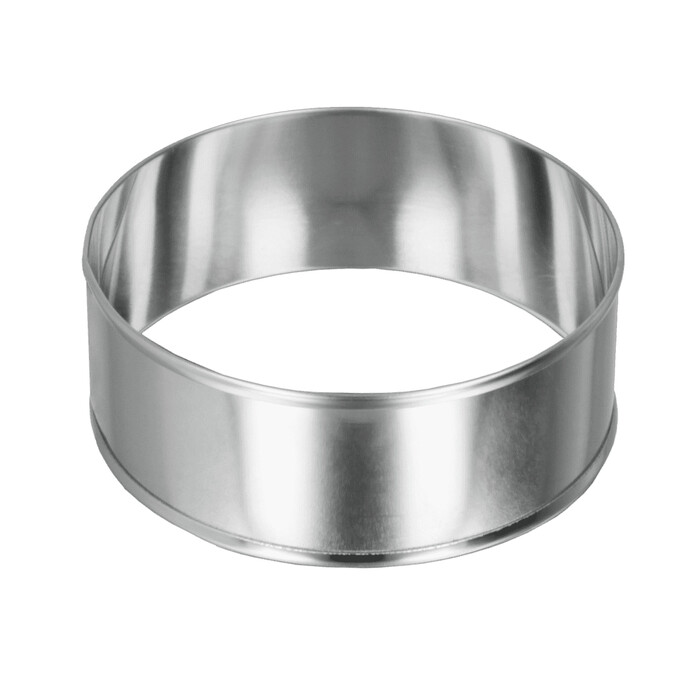
- Wood or stainless steel items in Kitchen Tools & Utensils survive years of use with simple wiping.
- A wide colour range (pink, purple, blue, green, and more) helps you sort sets by project.
Things to watch
- Silicone moulds can soften fine lines on very intricate designs, where perspex or plastic hold crisper edges.
- Moulds using clay or silicone/clay blends suit craft use, but may not meet food contact needs like food safe silicone does.
- Stainless steel and wood tools do not flex, so they cannot cast or release a shaped item like a mould.
- Colours such as grey or cream are cosmetic, and some dyes can stain lighter silicone over time.
- Items listed under Home & Garden may target resin or concrete, so they are wrong for baking unless marked food safe.
Care & maintenance
maintenance
Wash silicone and food safe silicone moulds in warm soapy water, then air dry away from direct heat.
maintenance
Dry wood and stainless steel tools thoroughly after washing to avoid warping or rust.
maintenance
Keep acrylic, perspex, and plastic moulds clear of ovens, as they warp at baking temperatures.
maintenance
Store flexible moulds flat, and hang or box rigid cutters to protect their shape.
Frequently Asked Questions
What should I look for when buying kitchen molds?
When shopping for kitchen molds, consider factors such as quality, price, brand reputation, and customer reviews. Compare prices across multiple retailers to ensure you're getting the best deal. Look for products that match your specific needs and budget.
How do I choose the right kitchen molds?
Choosing the right kitchen molds depends on your individual needs, budget, and preferences. Research different options, read customer reviews, and compare specifications. Consider what features are most important to you and look for products that offer the best value for money.
Where can I find the best deals on kitchen molds?
You can find the best deals on kitchen molds by comparing prices across multiple retailers. Our price comparison tool helps you find the lowest prices from trusted UK retailers including Amazon, eBay, and other major online stores. Check regularly as prices and deals change frequently.
Are kitchen molds products worth the investment?
The value of kitchen molds products depends on your specific needs and how you plan to use them. Quality products from reputable brands often provide better long-term value, even if they cost more initially. Consider your budget and requirements when making your decision.
What's the difference between different types of kitchen molds?
Different types of kitchen molds vary in features, quality, price, and intended use. Some may offer premium features while others focus on affordability. Research the specific differences between models or brands to find the option that best suits your needs and budget.