Woodwinds
How to choose woodwinds
Material
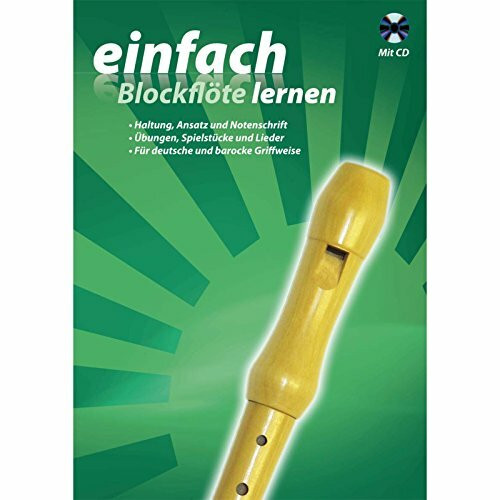
plastic is washable and light, but wood or silver gives a fuller sound for committed players.
Sub-type
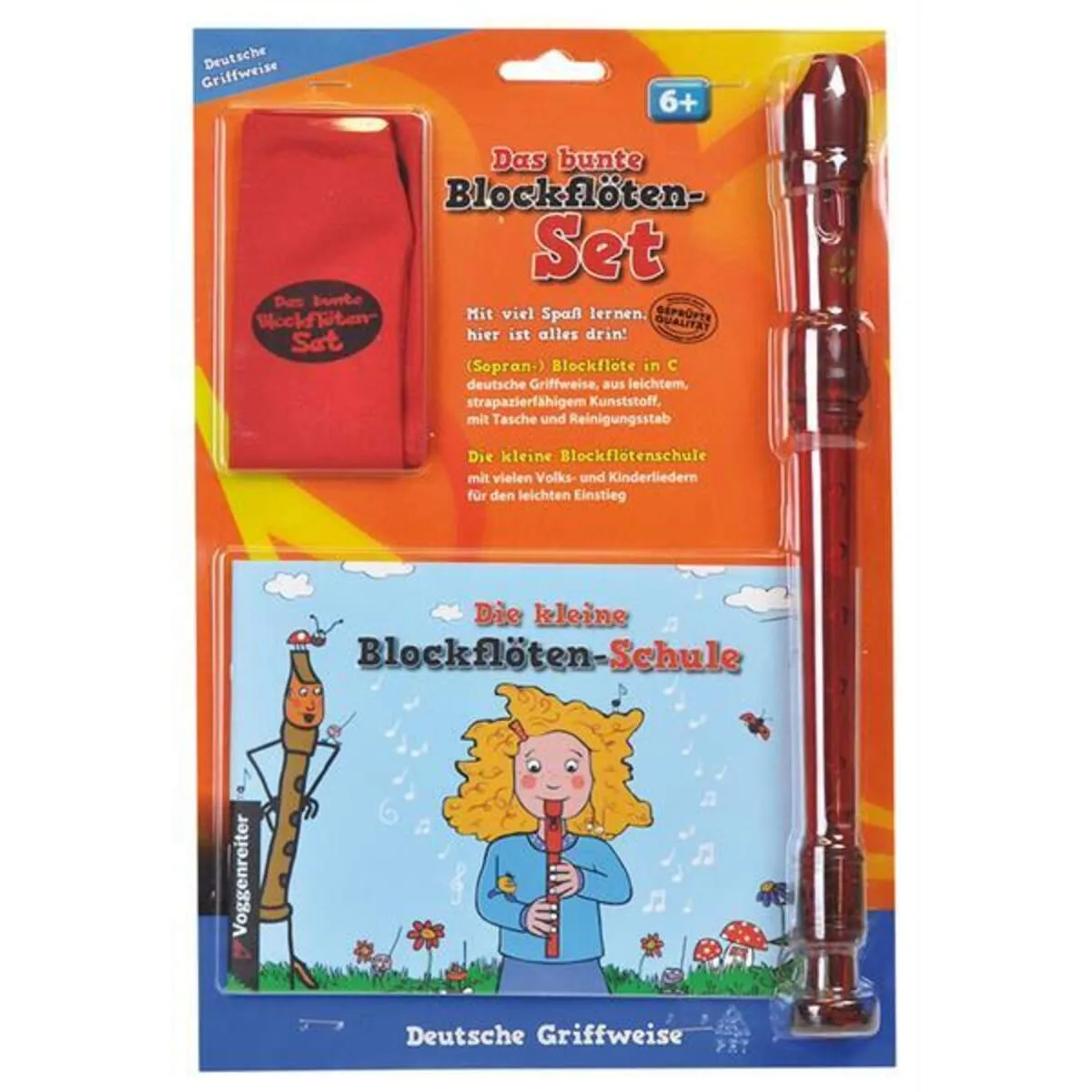
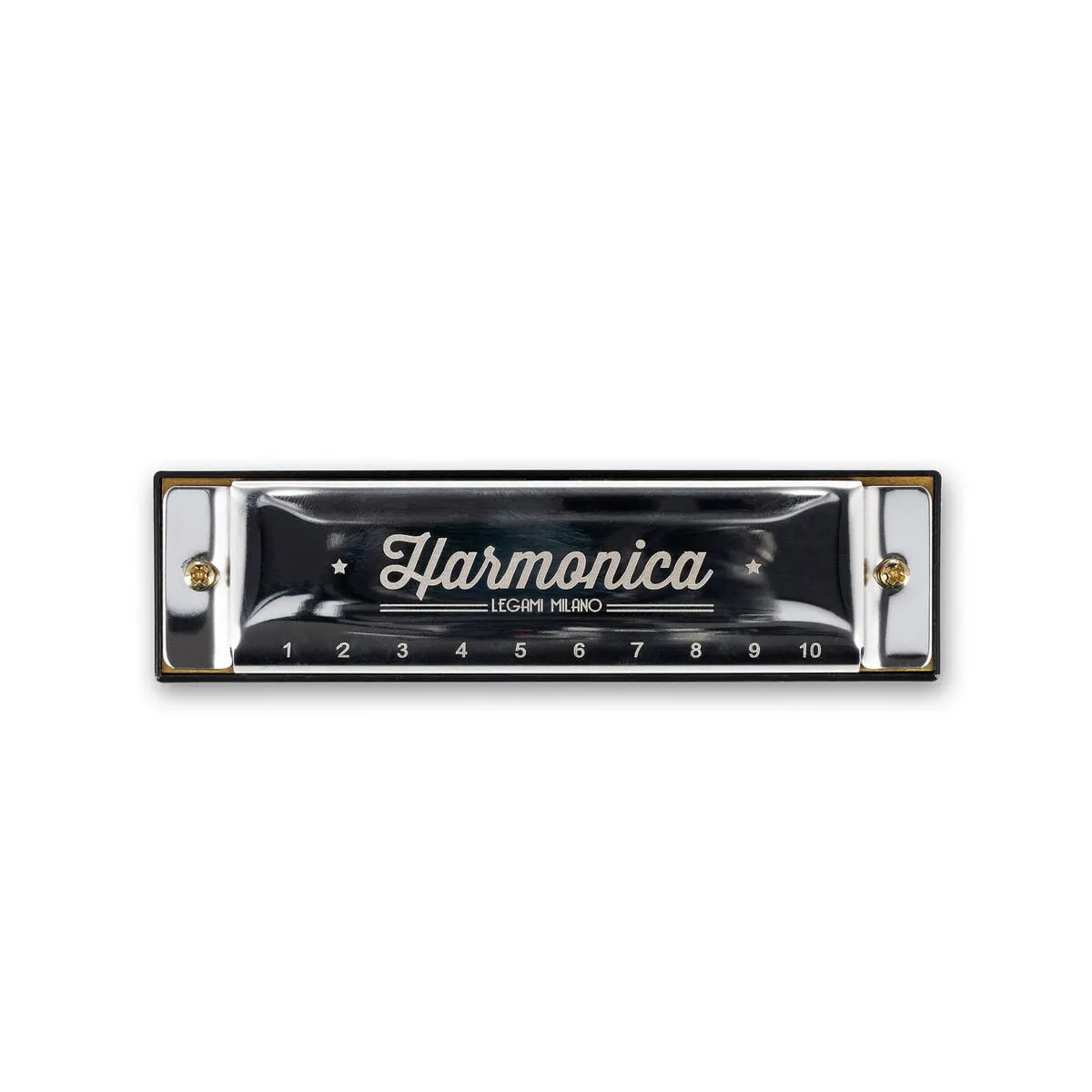
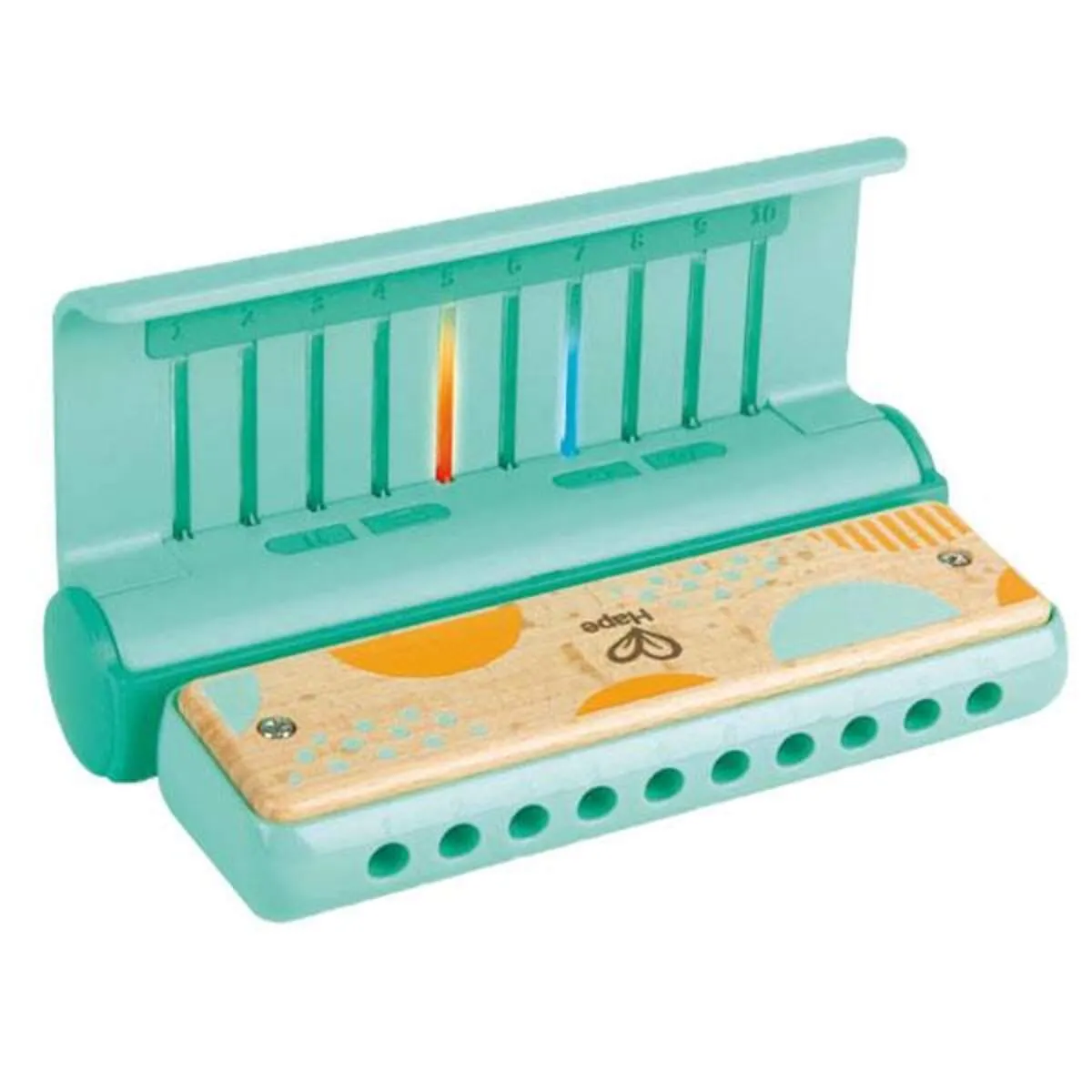
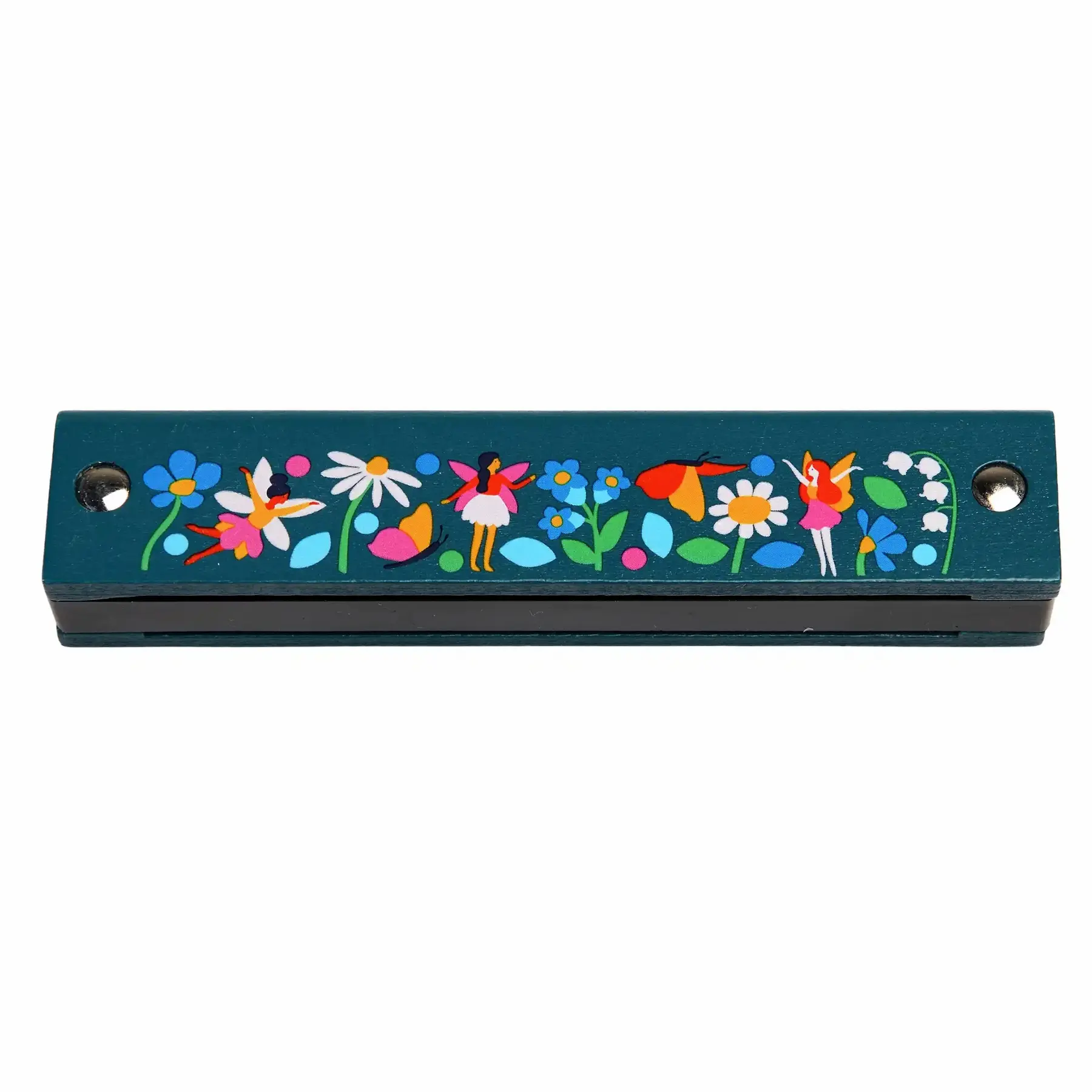
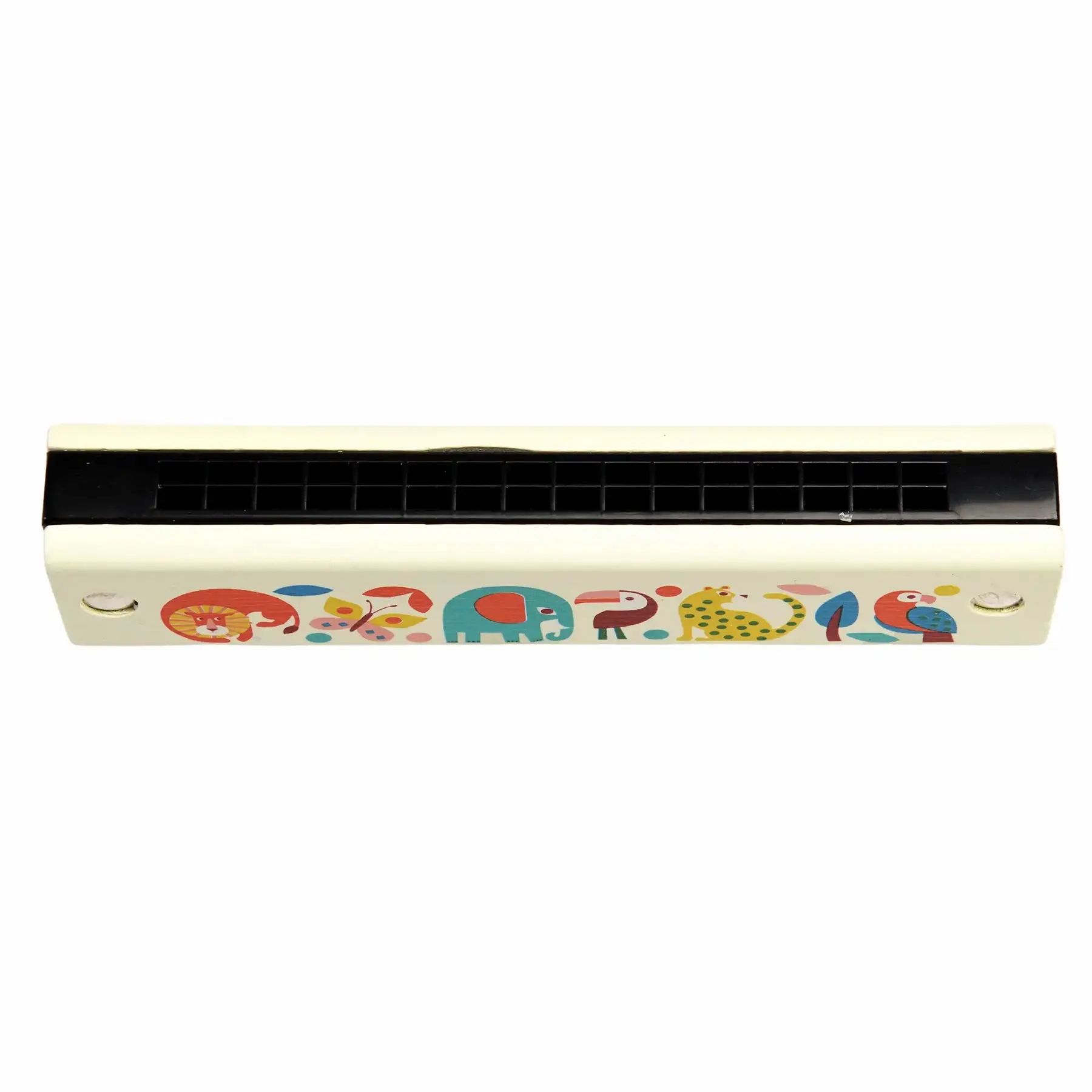
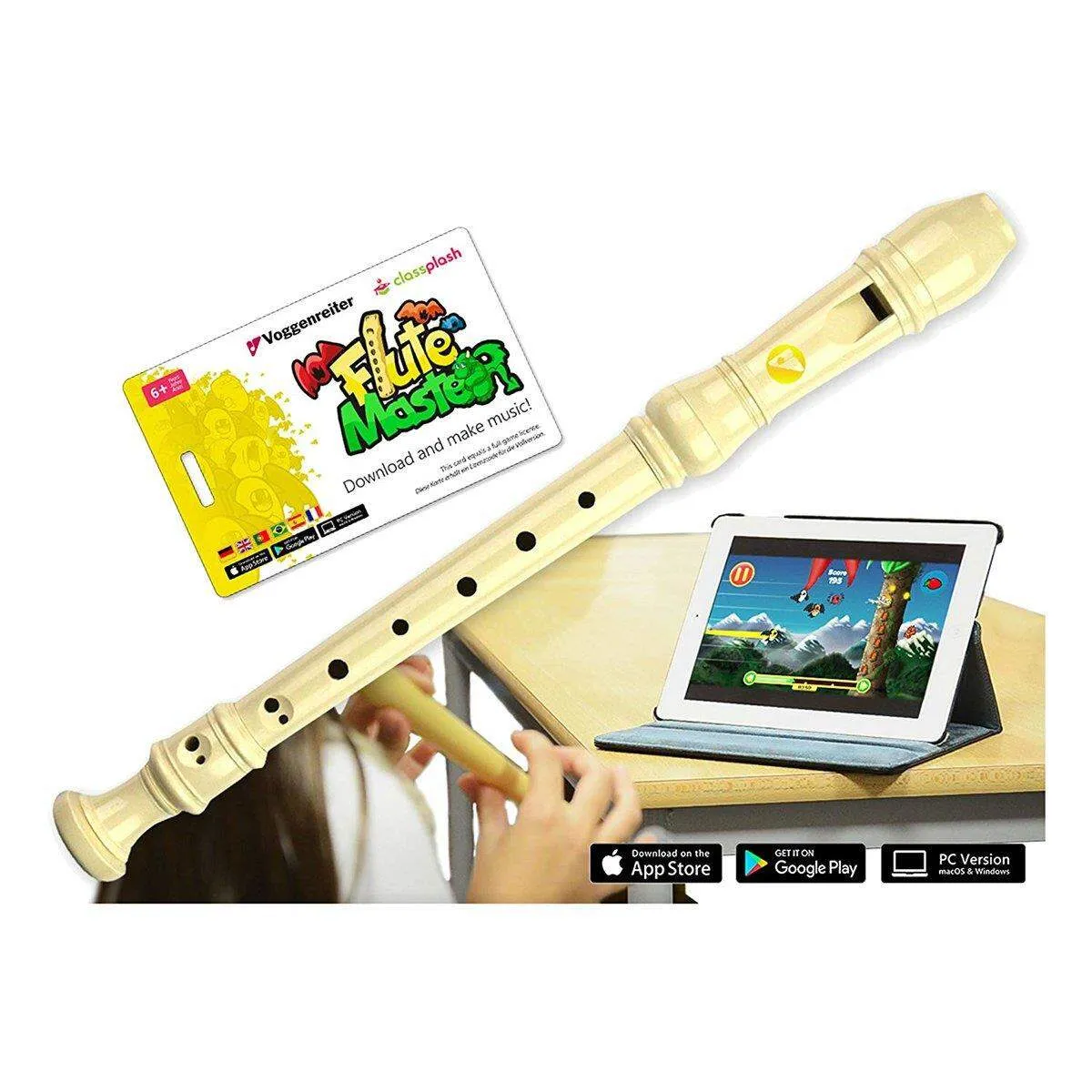
harmonicas fit solo practice, while flutes and whistles under Musical Instruments need two hands and steady breath.
Colour
choices include silver, black, brown, blue and green, yet lighter shades on metal show scuffs sooner.
Source
handmade workshop pieces (Hobbies & Creative Arts) are unique, while factory made types keep uniform size and hole spacing.
Form
pendant ocarinas under Arts & Entertainment work as gifts, but they lack the range of a full sized flute.
What's good
- Harmonicas are pocket sized and need no power source, so they suit commuters and casual players.
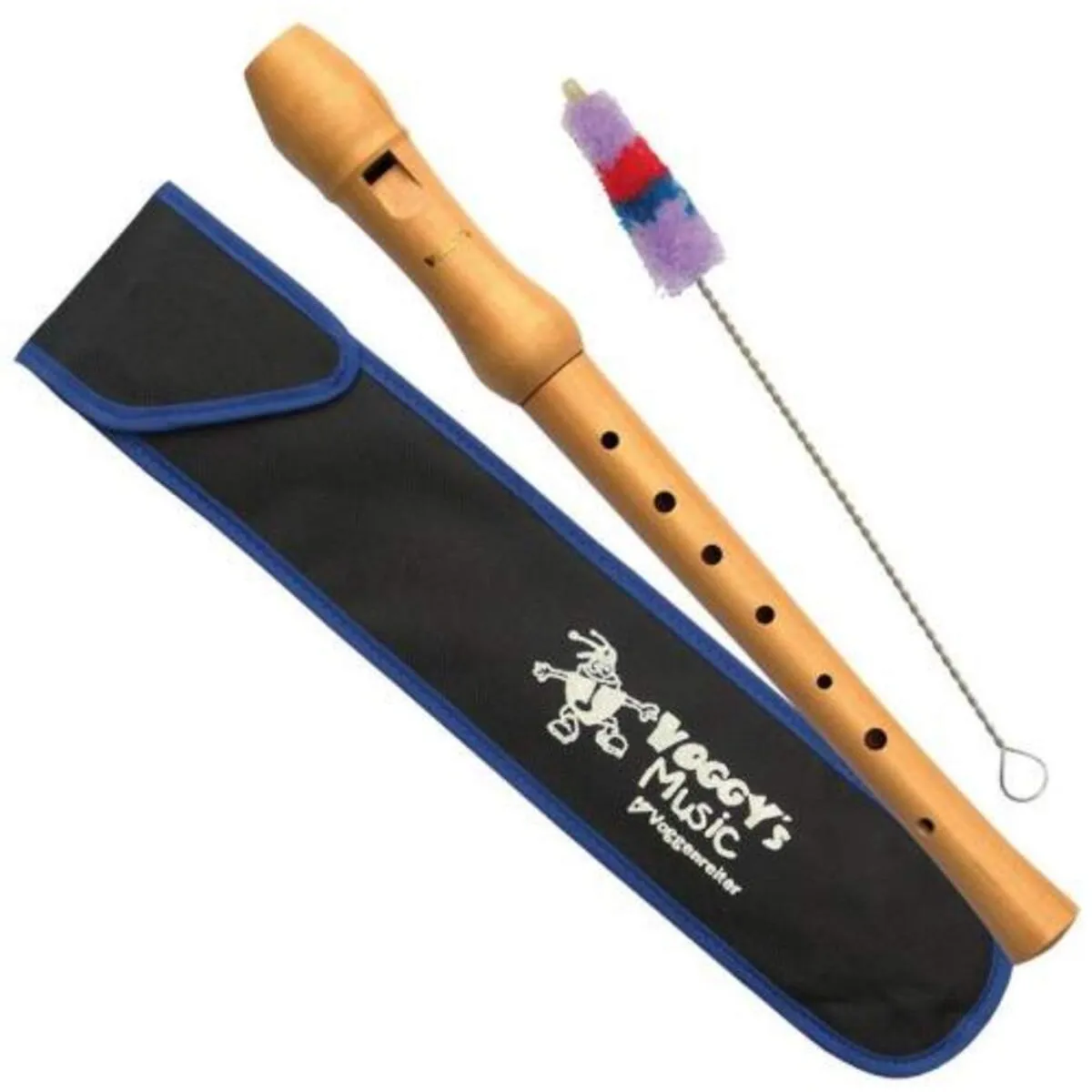
- Bamboo and wood flutes produce a warmer tone than plastic alternatives, rewarding patient learners.
- Ceramic and clay ocarinas often come as pendant shapes, letting you wear the instrument as a necklace.
- Tin or steel jew's harps are fixed pitch and sturdy, good for rhythmic accompaniment.
Things to watch
- Wood and bamboo need drying after each session, or they split along the grain.
- Handmade ocarinas and carved whistles differ piece to piece, so matching a pair is hit or miss.
- Stainless steel or tin harmonicas feel heavier and colder than plastic bodied ones.
- Small pendant flutes look charming but give quiet volume, wrong for group playing.
Care & maintenance
Wood and bamboo
Wipe wood and bamboo with a dry cloth after use to stop moisture settling.
Metal harmonicas
Rinse metal harmonicas if saliva builds up, then leave them open to air dry.
Ceramic ocarinas
Keep ceramic ocarinas in a padded spot, as clay chips on hard impact.
Jew's harps
Store tin or steel jew's harps dry to slow any tarnish.
Frequently Asked Questions
What should I look for when buying woodwinds?
When shopping for woodwinds, consider factors such as quality, price, brand reputation, and customer reviews. Compare prices across multiple retailers to ensure you're getting the best deal. Look for products that match your specific needs and budget.
How do I choose the right woodwinds?
Choosing the right woodwinds depends on your individual needs, budget, and preferences. Research different options, read customer reviews, and compare specifications. Consider what features are most important to you and look for products that offer the best value for money.
Where can I find the best deals on woodwinds?
You can find the best deals on woodwinds by comparing prices across multiple retailers. Our price comparison tool helps you find the lowest prices from trusted UK retailers including Amazon, eBay, and other major online stores. Check regularly as prices and deals change frequently.
Are woodwinds products worth the investment?
The value of woodwinds products depends on your specific needs and how you plan to use them. Quality products from reputable brands often provide better long-term value, even if they cost more initially. Consider your budget and requirements when making your decision.
What's the difference between different types of woodwinds?
Different types of woodwinds vary in features, quality, price, and intended use. Some may offer premium features while others focus on affordability. Research the specific differences between models or brands to find the option that best suits your needs and budget.