Rubber Bands
How to choose rubber bands
Material
Material choice drives the tradeoff. Rubber/latex gives strong stretch but may irritate, while silicone is gentle yet weaker.
Size
Size tier matters. Thin 80x1.5mm bands fit envelopes, thick 180x12mm or 2 inch by 1/2 inch bands fit thick bundles. Pick by diameter.
Colour
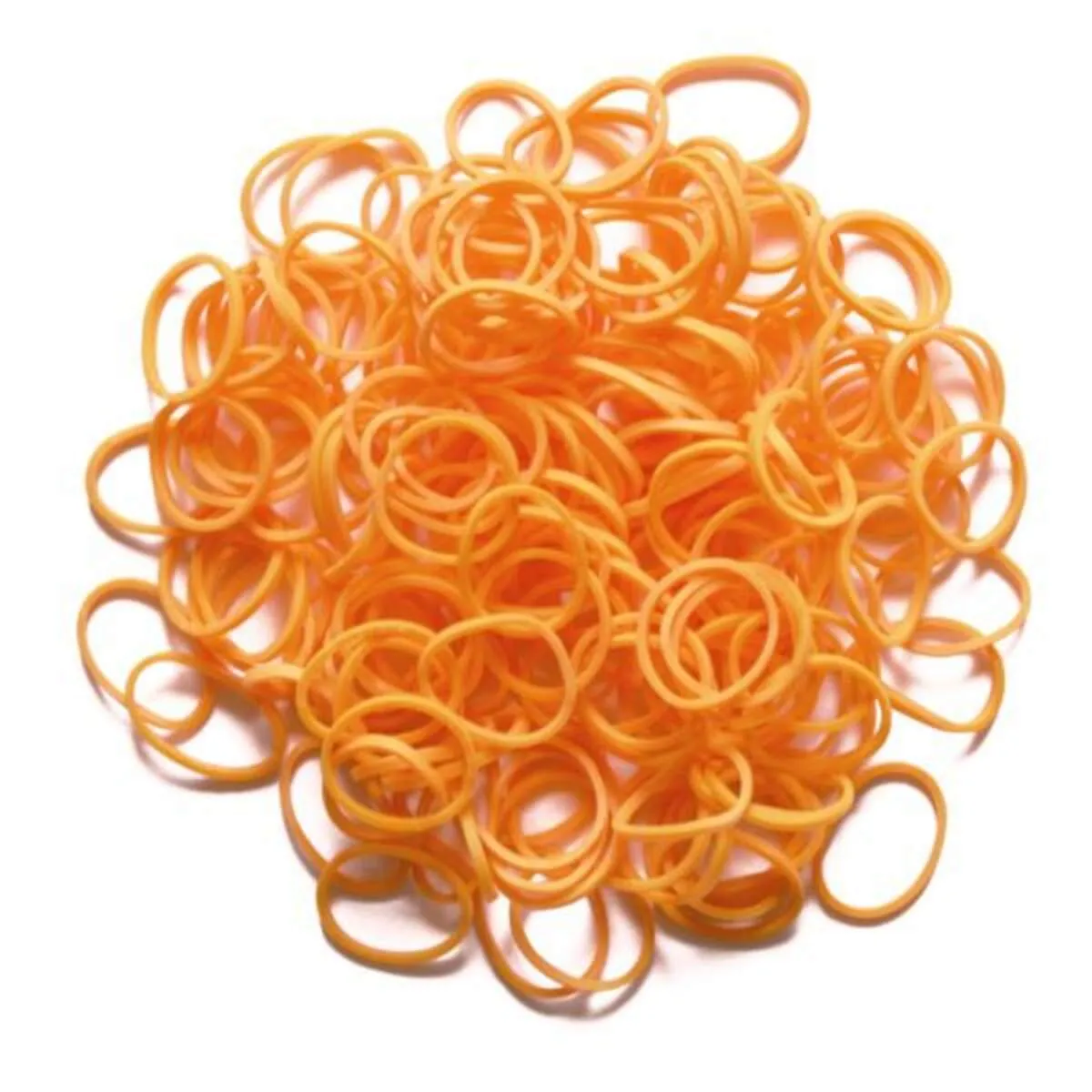
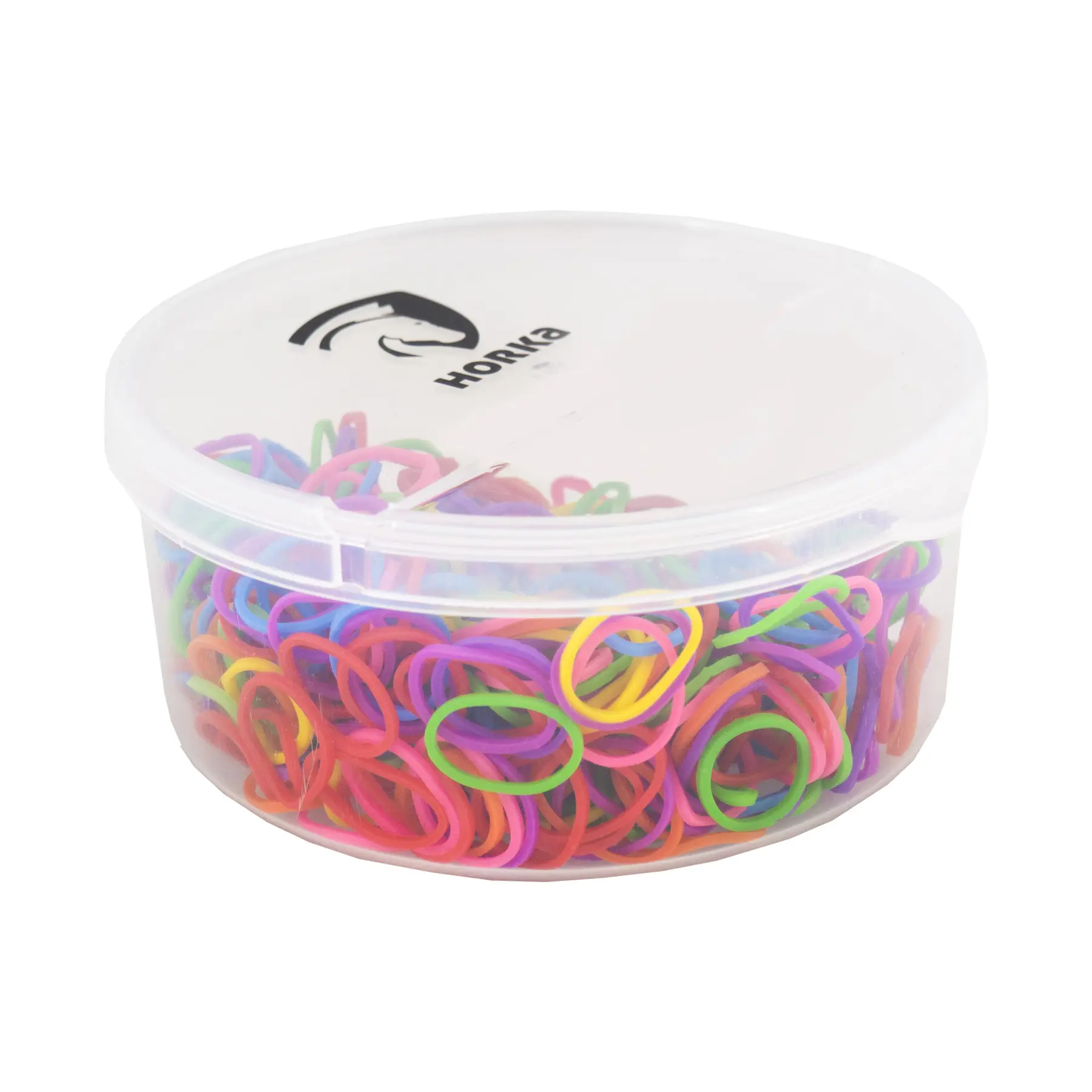
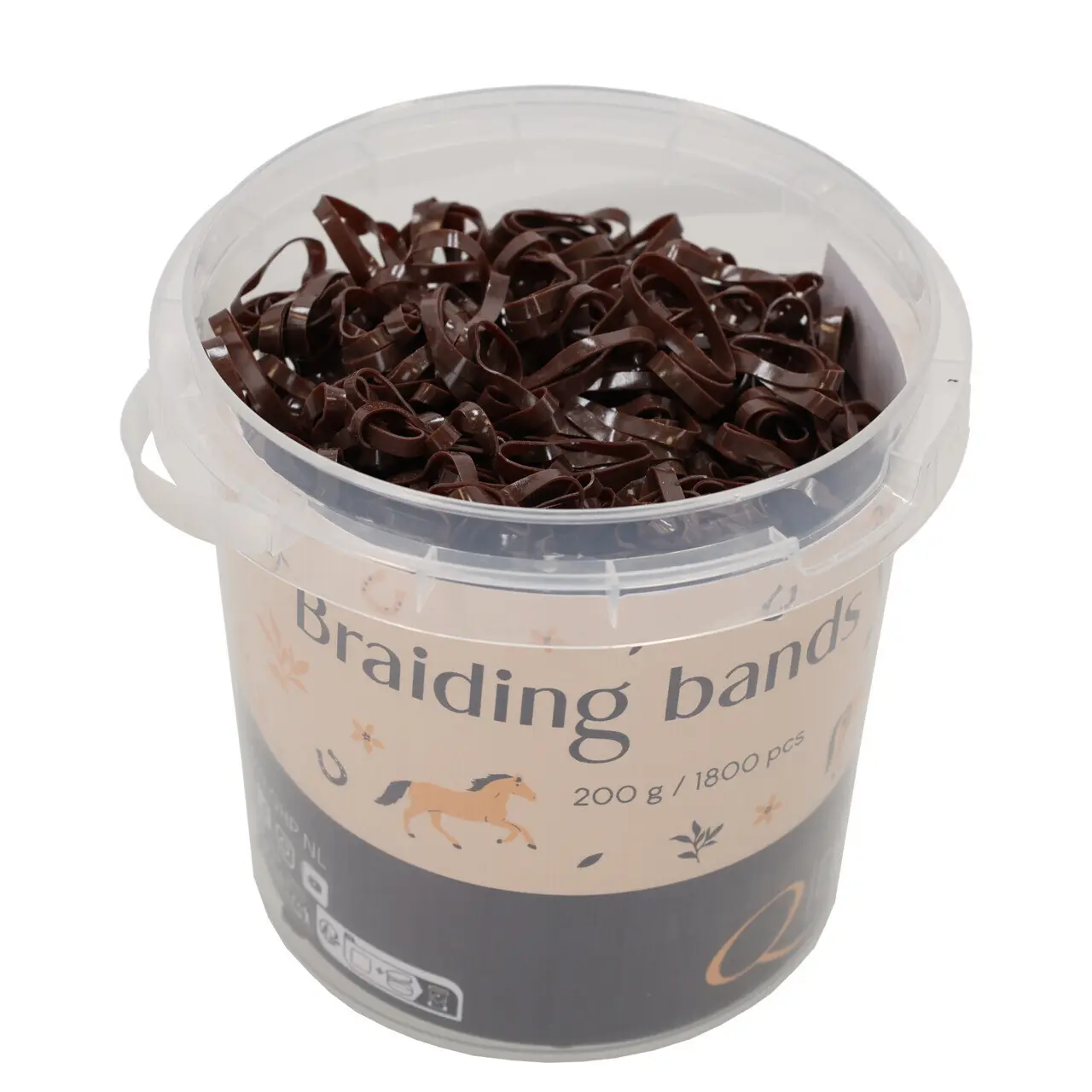
Colour is a practical call. Beige or brown office bands stay neutral, while red, yellow, orange, multicolor aid sorting but mark easily.
Sub-type
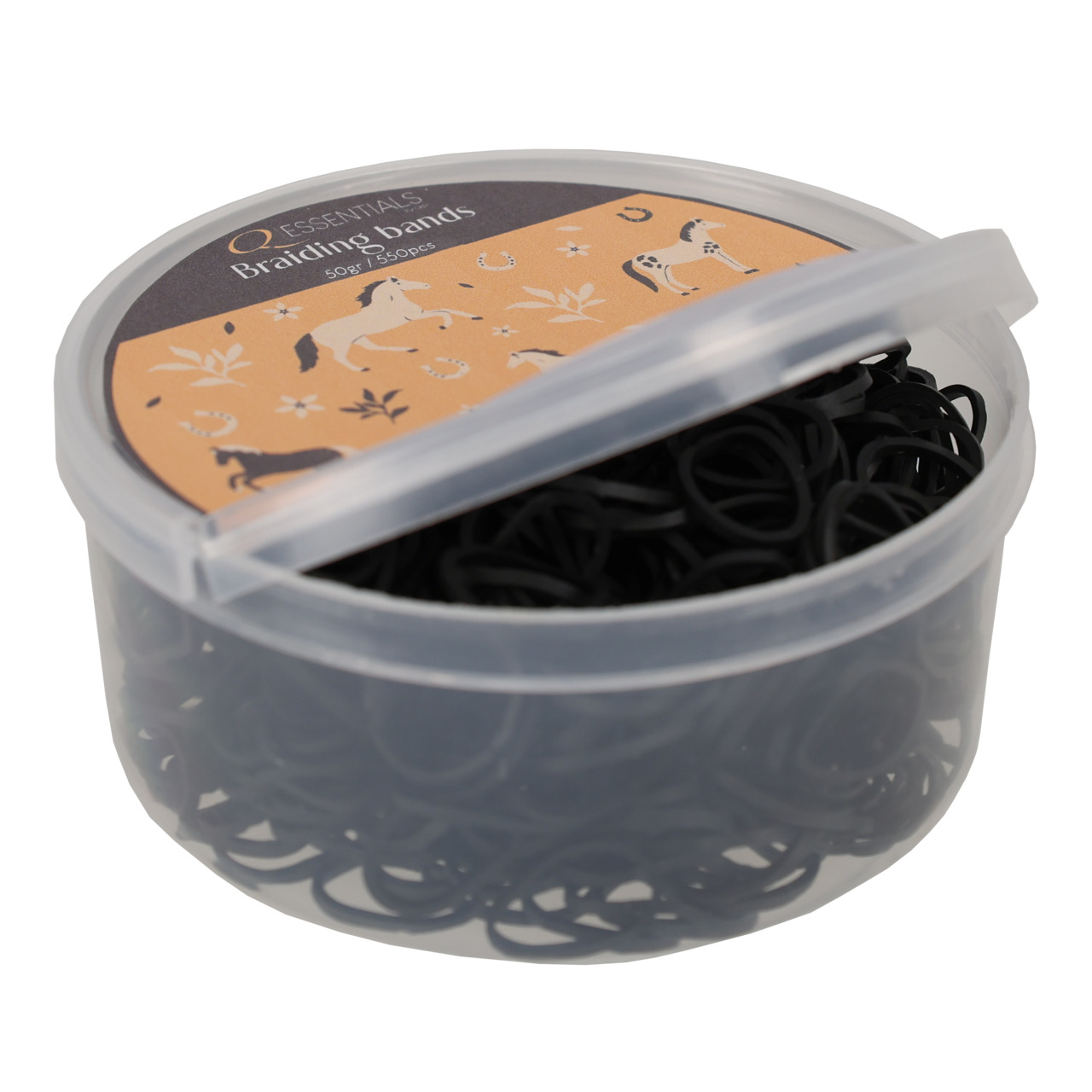
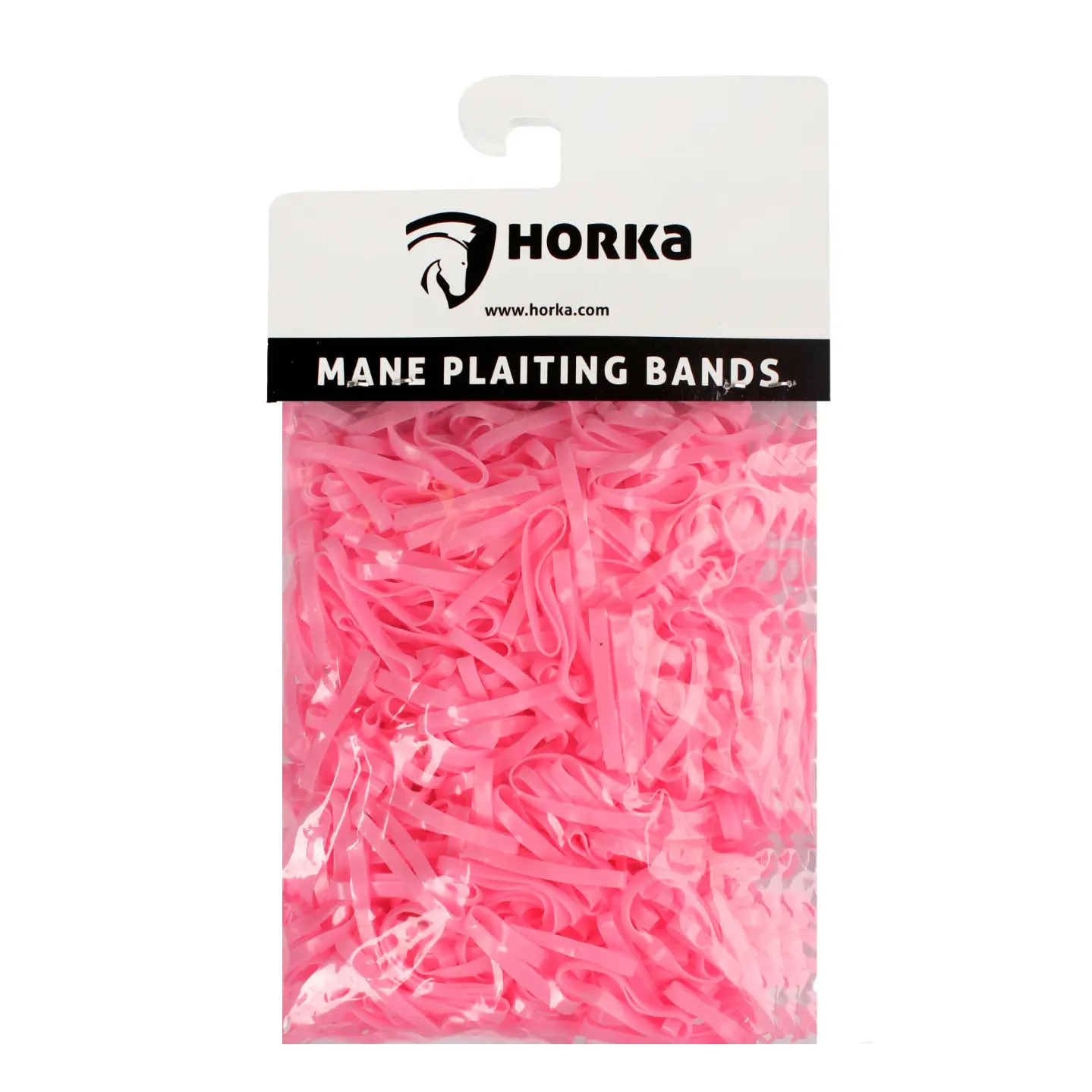
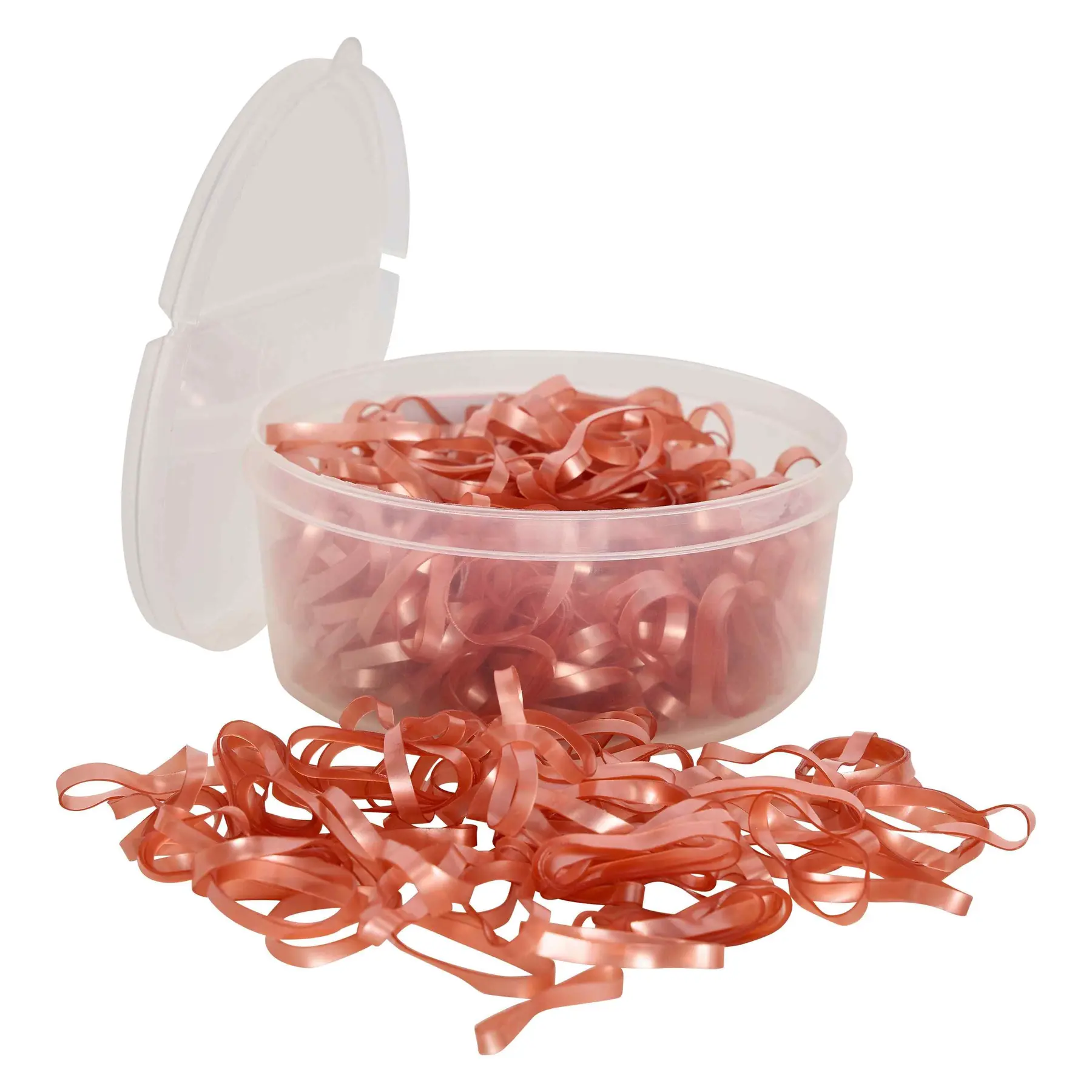
Sub-type fit. General office supplies cover desk bands, while plaiting bands are small silicone or rubber for hair or fine crafts.
Material mix
Mixed materials like rubber/silicone or rubber/oak appear in the range. Choose pure rubber unless you need that specific grip.
What's good
- Standard office rubber bands in beige or brown suit high-volume desk work. The bags hold hundreds of bands for routine bundling.
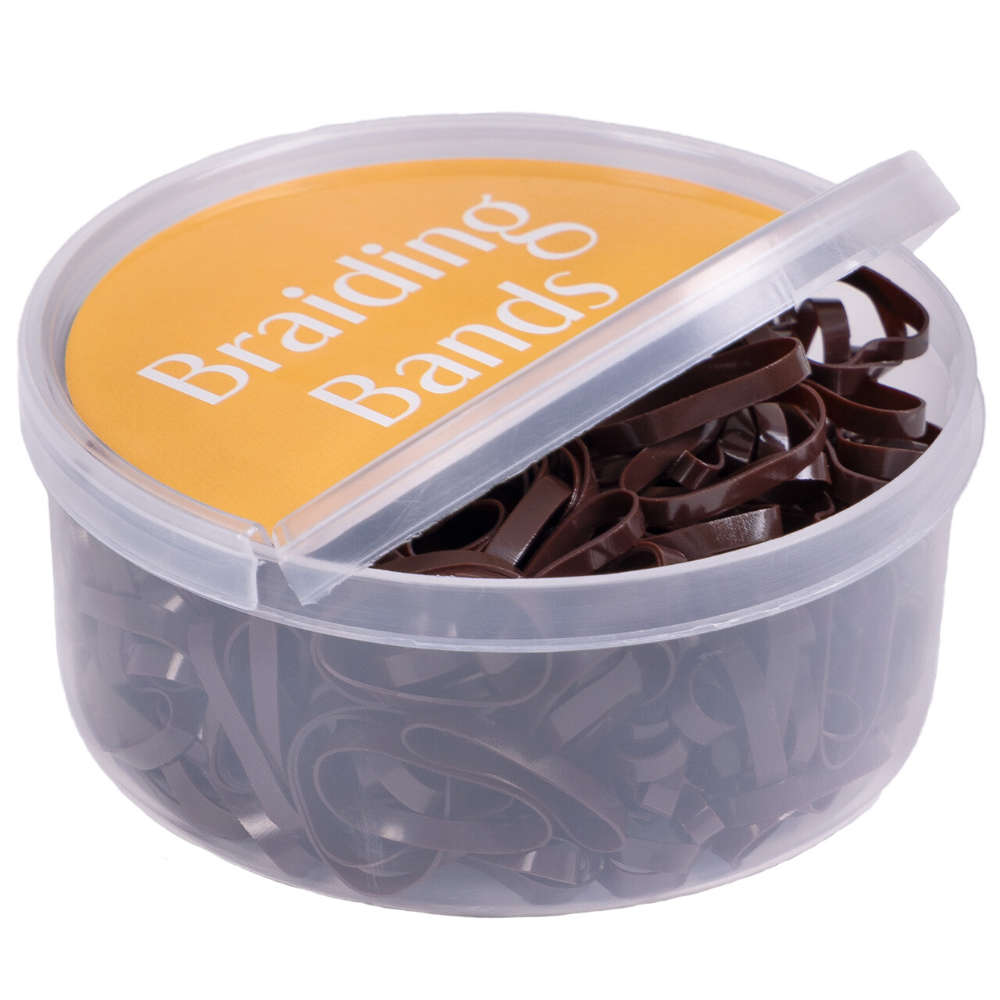
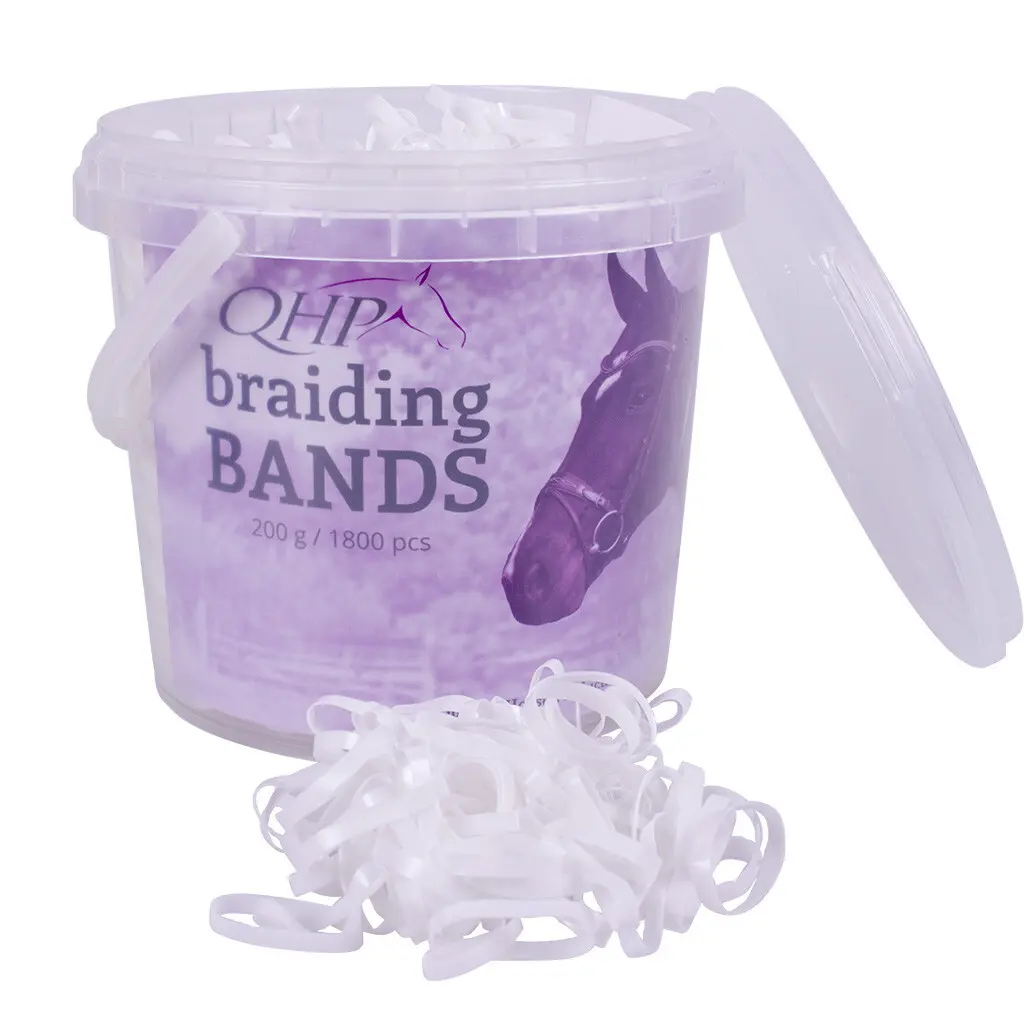
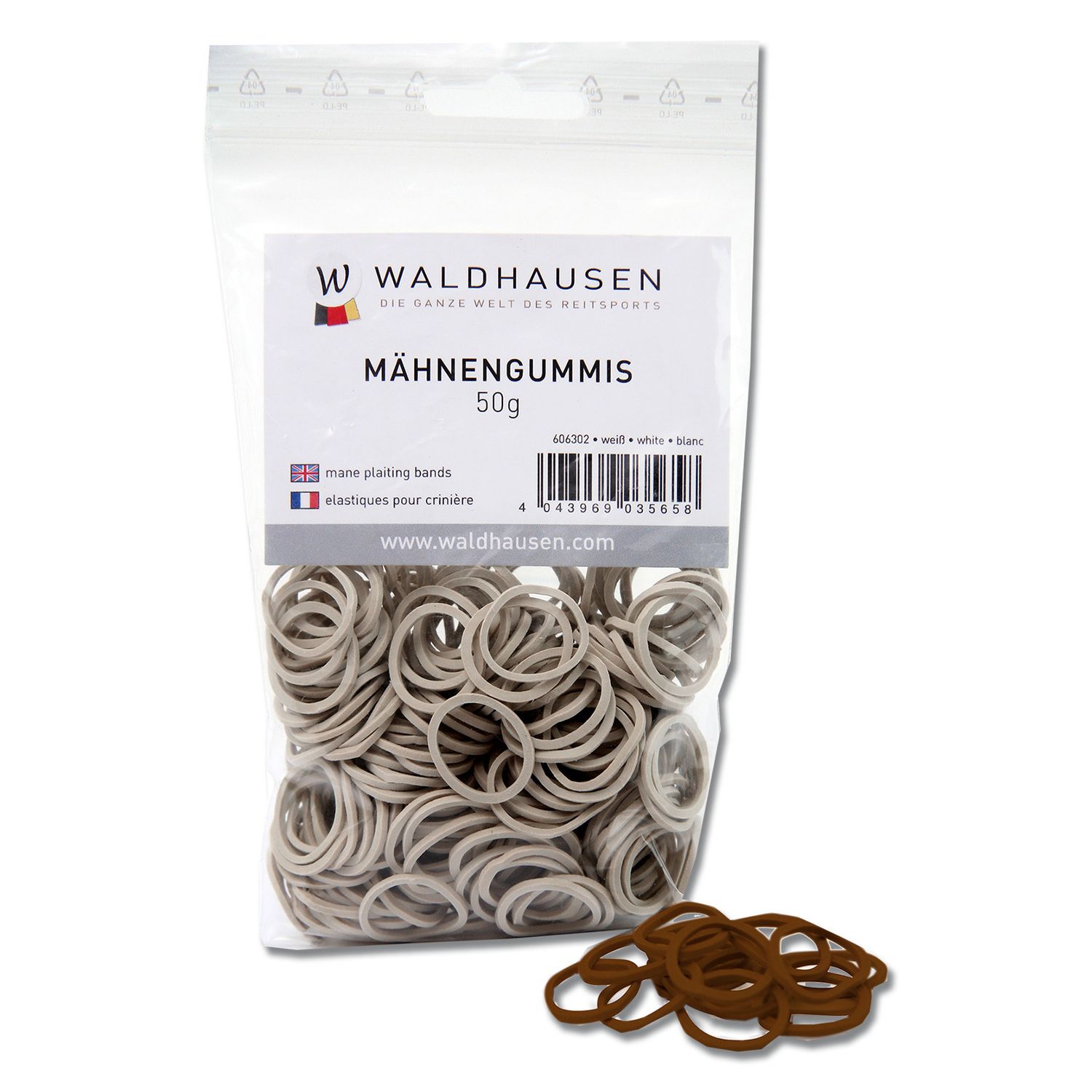
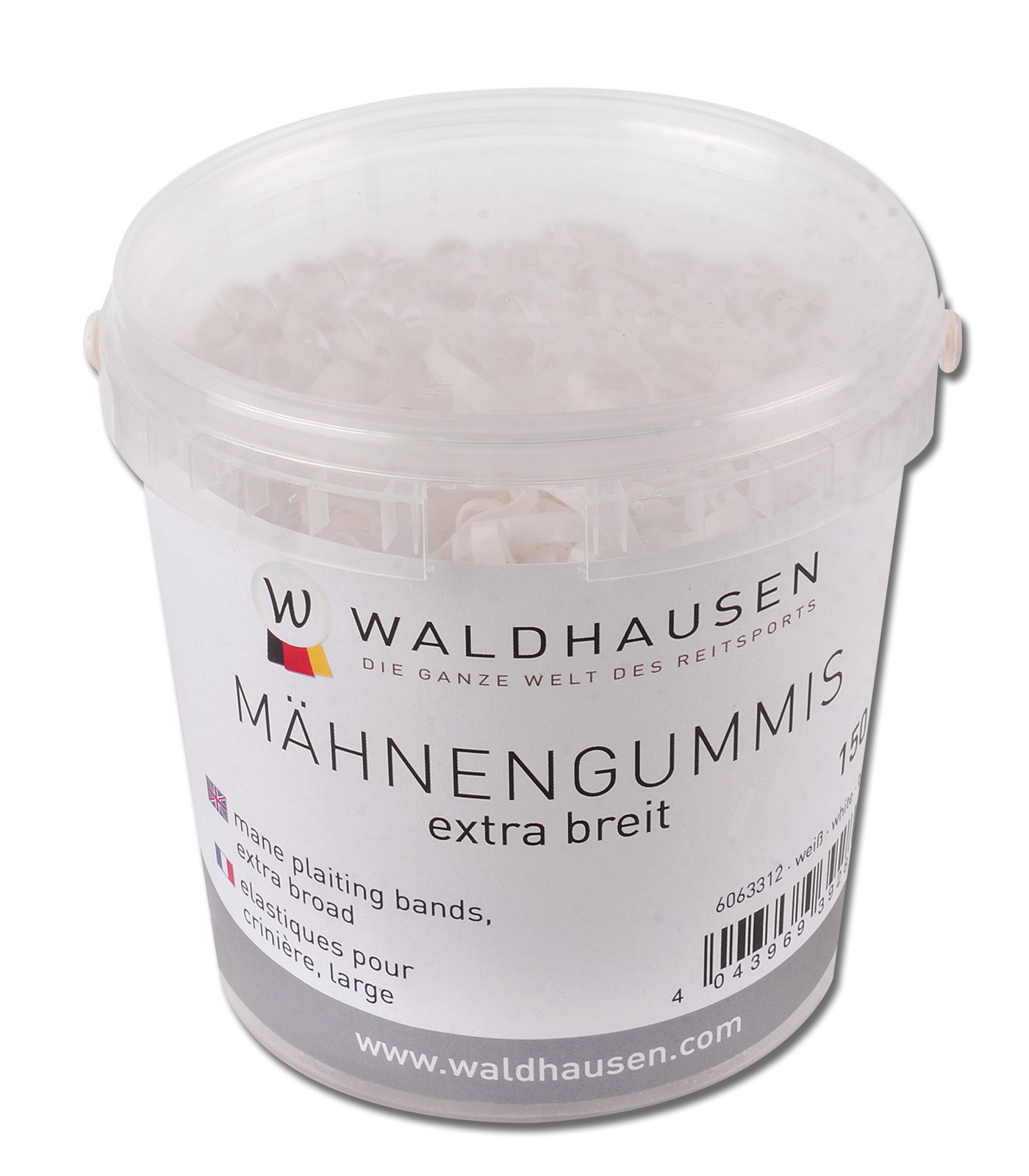
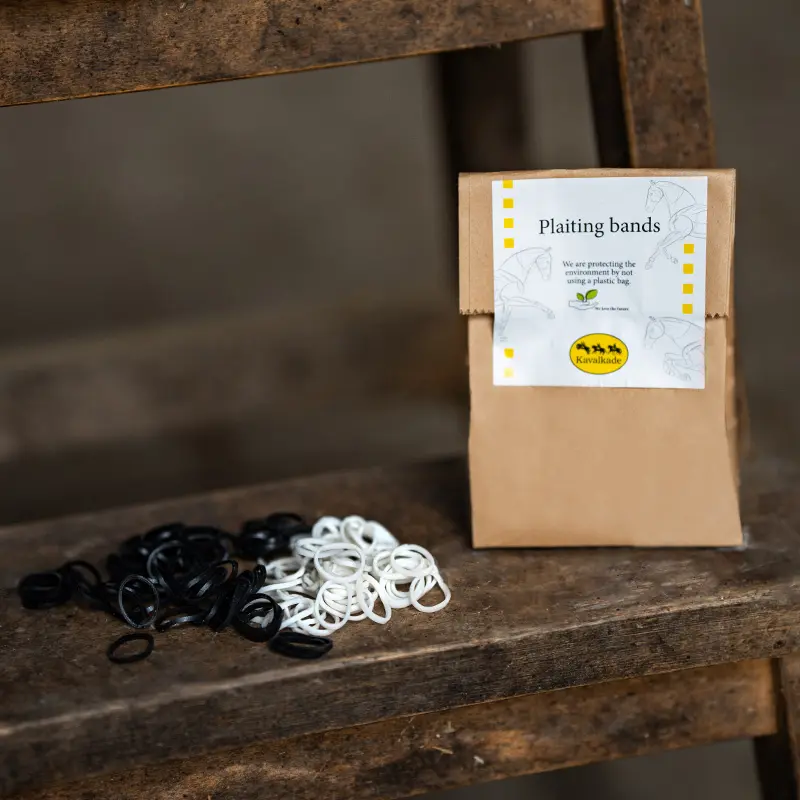
- Silicone plaiting bands in white or brown are non-latex. They suit users with skin sensitivity and delicate hair or craft tasks.
- Thick rubber or latex bands sized around 2 inch by 1/2 inch secure heavy stacks. Thin office bands would snap under that load.
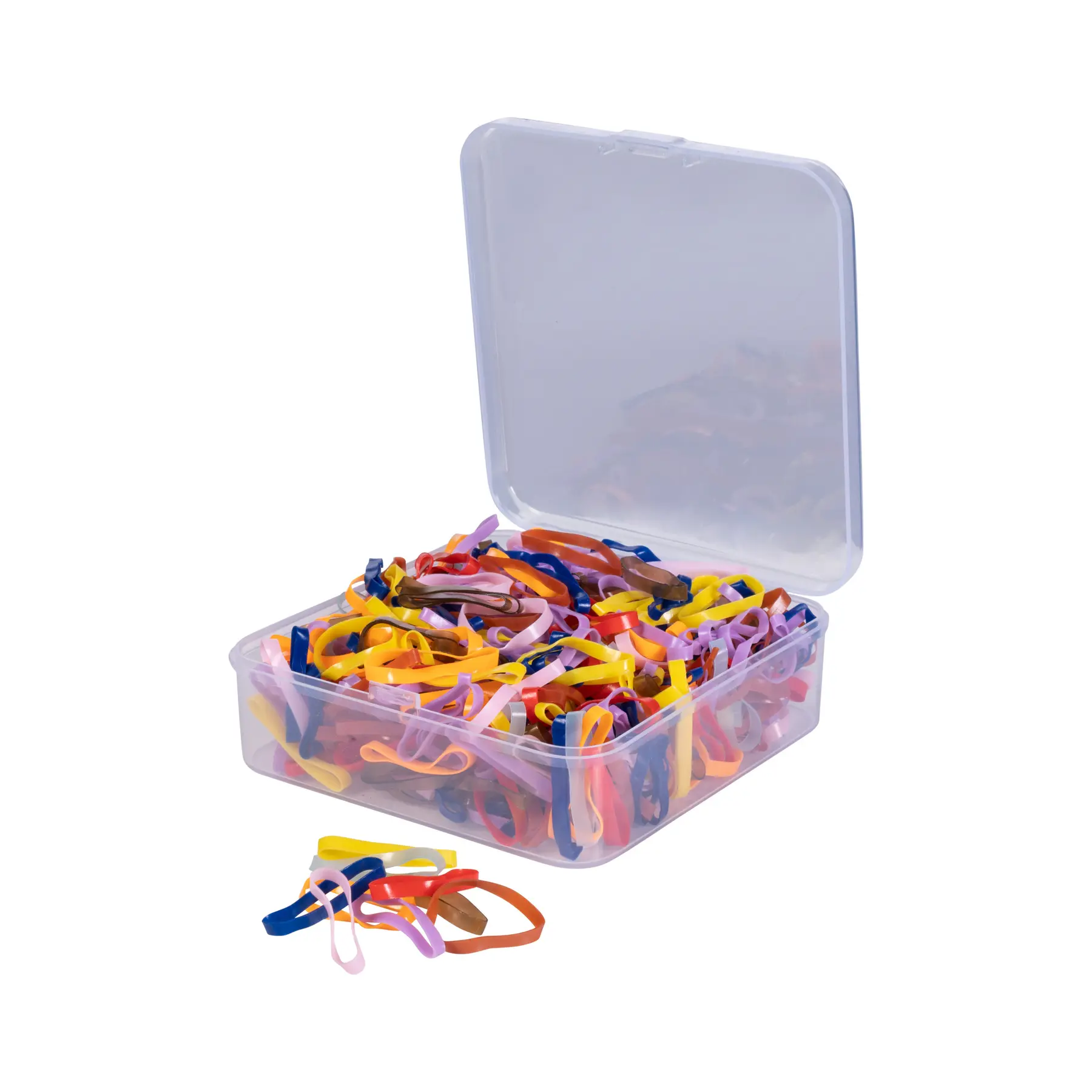
- Assorted coloured packs with red, yellow, orange or multicolor let you code files. You avoid buying separate monochrome bags.
Things to watch
- Rubber and latex bands perish in heat and sunlight. Store them poorly and they crack before use.
- Silicone bands have less tension than thick rubber. They are wrong for bulking large parcels or heavy mail.
- Paper or elastic material variants stretch less than rubber. They fit niche tasks like light wrapping only.
- Small plaiting bands are easy to misplace. They do not replace standard office bands for document bundles.
Care & maintenance
Storage
Keep rubber, latex and rubber/latex bands in a cool, dark drawer. This slows the natural breakdown of the material.
Cleaning
Wipe silicone or eco friendly silicone bands with a damp cloth after use. They can be reused while rubber bands are single use.
Sizing
Match band size to the job, such as 80x1.5mm for letters and 180x12mm for bulky rolls. Overstretching any band causes snaps.
Frequently Asked Questions
What should I look for when buying rubber bands?
When shopping for rubber bands, consider factors such as quality, price, brand reputation, and customer reviews. Compare prices across multiple retailers to ensure you're getting the best deal. Look for products that match your specific needs and budget.
How do I choose the right rubber bands?
Choosing the right rubber bands depends on your individual needs, budget, and preferences. Research different options, read customer reviews, and compare specifications. Consider what features are most important to you and look for products that offer the best value for money.
Where can I find the best deals on rubber bands?
You can find the best deals on rubber bands by comparing prices across multiple retailers. Our price comparison tool helps you find the lowest prices from trusted UK retailers including Amazon, eBay, and other major online stores. Check regularly as prices and deals change frequently.
Are rubber bands products worth the investment?
The value of rubber bands products depends on your specific needs and how you plan to use them. Quality products from reputable brands often provide better long-term value, even if they cost more initially. Consider your budget and requirements when making your decision.
What's the difference between different types of rubber bands?
Different types of rubber bands vary in features, quality, price, and intended use. Some may offer premium features while others focus on affordability. Research the specific differences between models or brands to find the option that best suits your needs and budget.