Packing Materials
How to choose packing materials
Sub-type
First, pick sub-type: shipping supplies for transit protection, office supplies for storage and craft use.
Material
Material matters: plastic and polythene resist water, cardboard breaks down but recycles easier.
Closure
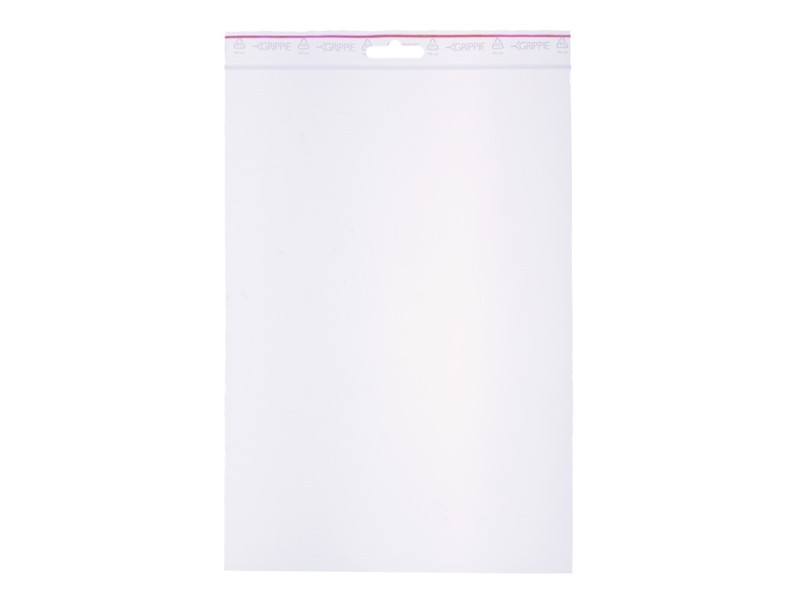
Closure type changes workflow: heat seal for tamper proof, self seal for quick packing, grip seal for repeat access.
ESD safety
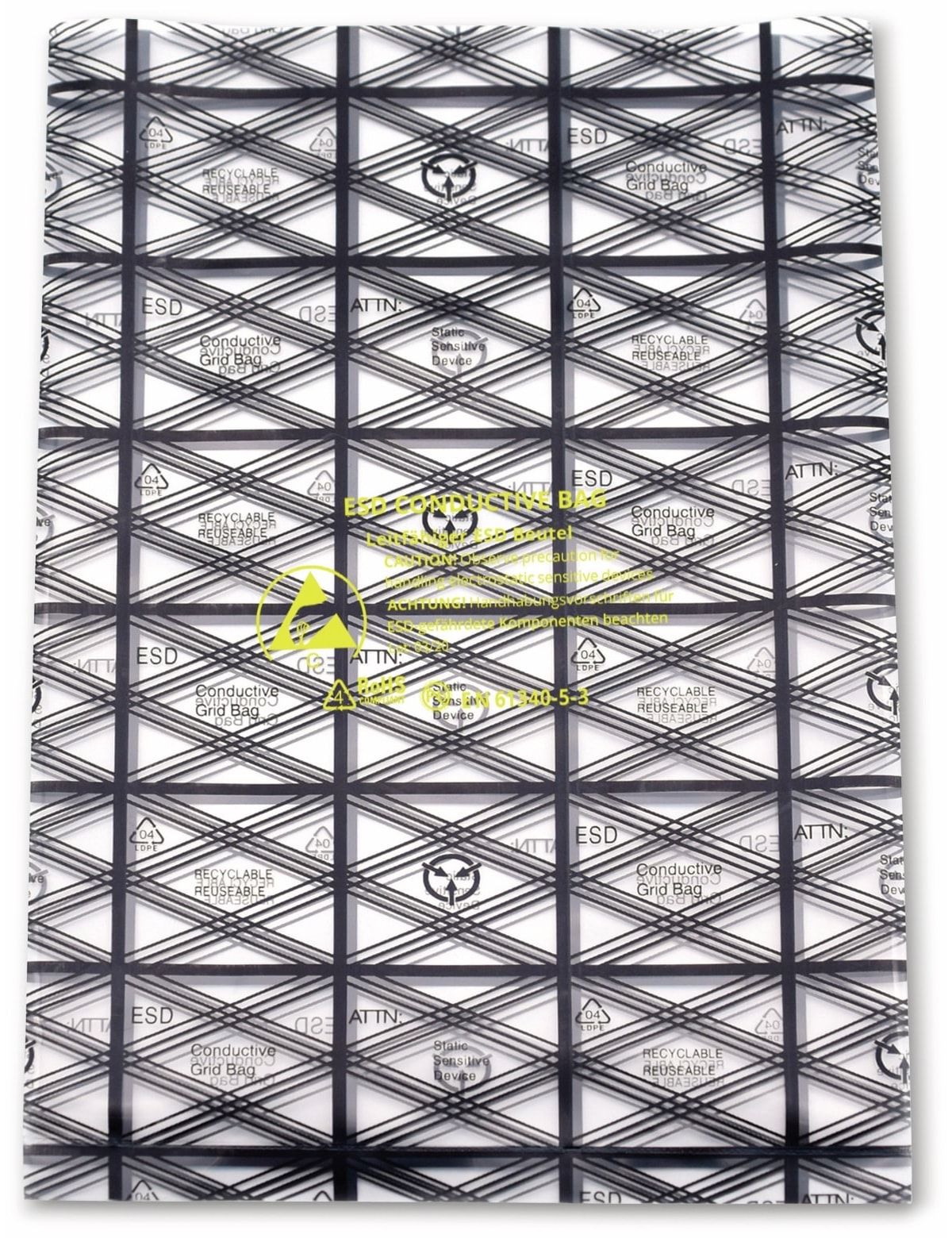
ESD-safe tiers protect electronics but come in black or pink, not clear. Choose clear if you need visual ID.
Colour
Colour coding works across the range from red to green, yet confirm the surface suits pens if labelling is needed.
What's good
- ESD-safe heat seal bags shield static-sensitive parts during transit. This tier suits electronics shippers, not general mailers.
- Self seal bubble bags combine padding and closure in one step. Office users save time versus pairing boxes with loose fill.
- Cardboard and paper options give a recyclable choice within office supplies. They suit low-risk items where plastic is unwanted.
- Grip seal plastic bags open and close many times. Labs and stores can reuse them for parts sorting.
Things to watch
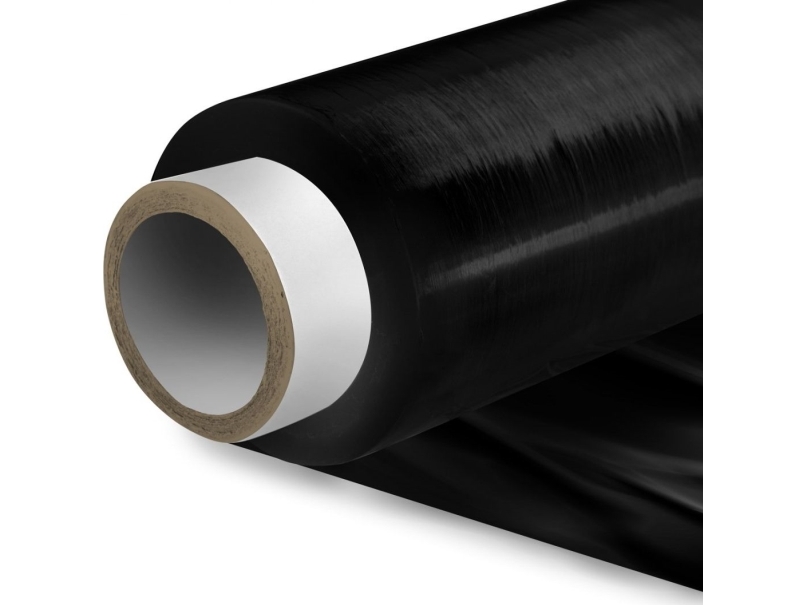
- Conductive black bags hide the contents completely. You must open them to check stock, unlike clear gripper types.
- Heat seal closures need a sealing device. Small offices may prefer self seal or grip seal to avoid extra kit.
- Bubble bags eat more shelf space than flat polythene bags. The protection trades against compact storage.
- Coloured plastic looks smart but may lack a write-on panel. White write-on clear bags are better for labelling.
Care & maintenance
Dry storage
Keep paper and cardboard supplies in a dry room. Moisture weakens their structure fast.
Avoid UV
Store polypropylene and polythene bags out of sunlight. UV light makes them brittle over time.
Reusable care
Wipe grip seal bags clean before refilling. This stops residue mixing between uses.
Frequently Asked Questions
What should I look for when buying packing materials?
When shopping for packing materials, consider factors such as quality, price, brand reputation, and customer reviews. Compare prices across multiple retailers to ensure you're getting the best deal. Look for products that match your specific needs and budget.
How do I choose the right packing materials?
Choosing the right packing materials depends on your individual needs, budget, and preferences. Research different options, read customer reviews, and compare specifications. Consider what features are most important to you and look for products that offer the best value for money.
Where can I find the best deals on packing materials?
You can find the best deals on packing materials by comparing prices across multiple retailers. Our price comparison tool helps you find the lowest prices from trusted UK retailers including Amazon, eBay, and other major online stores. Check regularly as prices and deals change frequently.
Are packing materials products worth the investment?
The value of packing materials products depends on your specific needs and how you plan to use them. Quality products from reputable brands often provide better long-term value, even if they cost more initially. Consider your budget and requirements when making your decision.
What's the difference between different types of packing materials?
Different types of packing materials vary in features, quality, price, and intended use. Some may offer premium features while others focus on affordability. Research the specific differences between models or brands to find the option that best suits your needs and budget.